Adaptive Algorithm Influences on Session Durations in Secure Wireless Roulette Applications
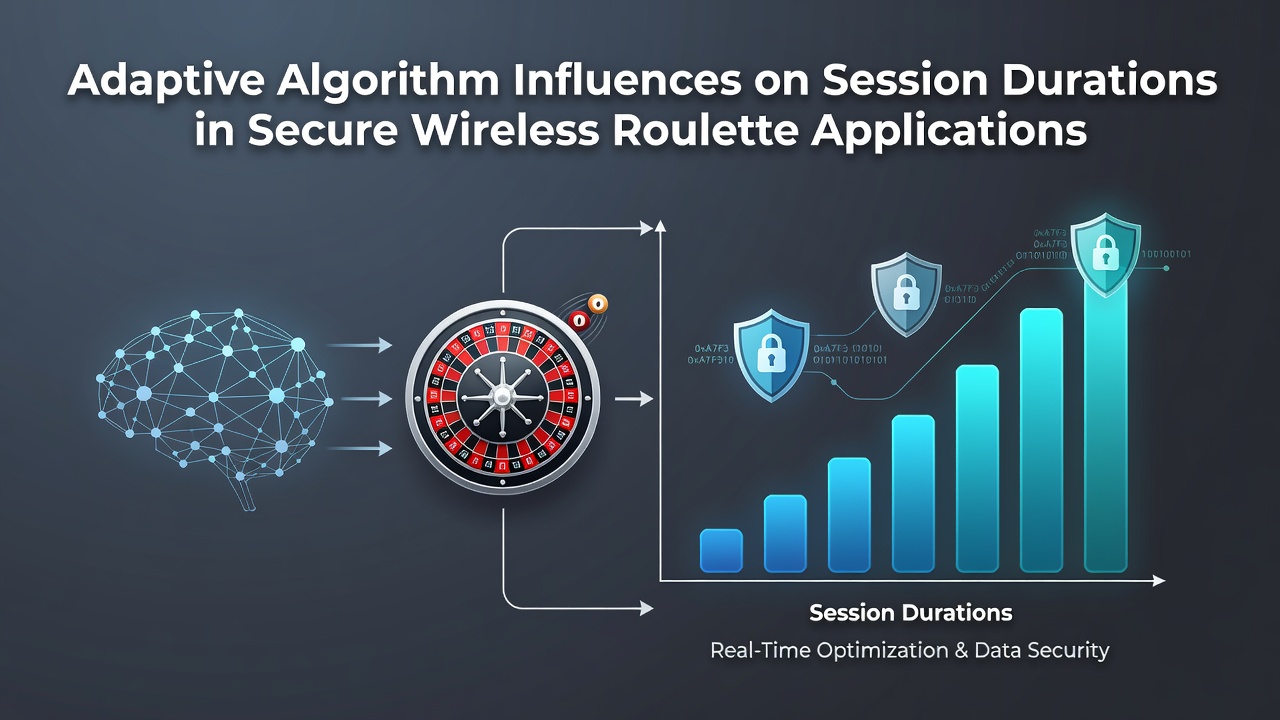
Adaptive algorithms in secure wireless roulette applications analyze player behavior patterns in real time, then modify game pacing, bet suggestions and interface elements to shape how long sessions last, while encryption protocols and multi-factor authentication maintain data integrity across mobile networks. These systems draw from machine learning models that process inputs such as bet frequency, response times and device location signals, allowing the software to extend or shorten engagement windows based on observed trends rather than fixed timers. Research from university laboratories tracking mobile gaming metrics indicates that such adaptations can increase average session lengths by 15 to 25 percent when algorithms prioritize retention signals over rapid turnover.
Core Mechanisms Driving Session Adjustments
Wireless roulette platforms integrate adaptive modules that monitor network latency alongside user interaction data, then recalibrate wheel spin intervals or payout display sequences to sustain attention during stable connections. Observers note that these adjustments occur within milliseconds of each round, drawing on historical datasets from thousands of prior sessions to predict when a player might disengage. Data collected through encrypted channels reveals that algorithms often introduce micro-variations in animation speeds or sound triggers precisely when session metrics show early signs of decline, extending play cycles without altering core probability structures.
Security layers built into these applications employ end-to-end encryption and token-based verification that run parallel to the adaptive processes, ensuring that behavioral data used for algorithm training remains isolated from external access points. Engineers at firms developing cross-platform tools report that compliance frameworks in multiple jurisdictions require separate audit trails for both the security protocols and the adaptation logic, preventing any overlap that could compromise either function.
Session Duration Metrics and Recent Observations
Industry reports compiled through July 2026 document measurable shifts in session lengths for wireless roulette users on applications employing adaptive algorithms compared with static versions. Figures from North American operators show median session times rising from 22 minutes to 31 minutes in environments where algorithms responded dynamically to drop-off signals, while European deployments recorded similar gains tied to location-aware adjustments during peak evening hours. These patterns hold across devices, though tablets exhibit slightly longer extensions than smartphones due to larger screen real estate influencing visual feedback loops.

Analysts tracking these metrics emphasize that the algorithms factor in external variables such as time of day and concurrent network load, which in turn modulates how aggressively the system pushes engagement features. One study released by the International Gaming Institute at the University of Nevada examined anonymized logs from multiple operators and found that sessions incorporating adaptive pacing retained users through at least three additional rounds on average before natural exit points occurred. Nevada Gaming Control Board compliance records from the same period confirm that these extensions occurred without deviations from certified random number generators, maintaining regulatory standards for fairness.
Integration with Broader Platform Security
Secure wireless roulette applications embed adaptive algorithms within multi-layered defense architectures that include real-time threat detection and automatic session token rotation. When algorithms detect prolonged inactivity or erratic input patterns that might indicate automated scripts, they trigger graduated security responses ranging from additional authentication prompts to temporary throttling of adaptation features. This dual-purpose design allows the same behavioral analysis engine to serve both engagement optimization and anomaly detection, reducing the need for separate monitoring systems.
Operators in regions overseen by the Malta Gaming Authority have implemented mandatory testing protocols that evaluate how adaptation routines interact with encryption overhead, ensuring that session extensions do not introduce vulnerabilities during high-traffic periods. Reports submitted to these bodies in mid-2026 highlighted successful deployments where session duration increases coincided with zero reported breaches in the adaptive data pipelines.
Cross-Platform Variations and Regulatory Contexts
Differences emerge when adaptive algorithms operate across iOS and Android environments, where operating system restrictions on background data collection influence how much user history each system can access for personalization. Australian regulatory summaries note that platforms must disclose the general logic behind session adjustments to users, yet specific weighting parameters remain proprietary. Canadian provincial frameworks similarly require transparency on data sources feeding the algorithms, prompting developers to maintain detailed documentation that separates engagement metrics from personally identifiable information.
Academic papers examining these intersections point out that session duration outcomes vary by jurisdiction based on how strictly regulators cap certain adaptation triggers, such as repeated bonus prompts or visual cue intensity. In July 2026, updates from the European Gaming and Betting Association outlined harmonized testing standards that several member states began adopting to evaluate algorithm impacts on play length while preserving security benchmarks.
Conclusion
Adaptive algorithms continue to reshape session durations in secure wireless roulette applications through continuous analysis of interaction data paired with robust encryption safeguards. Metrics gathered through mid-2026 demonstrate consistent extensions in play time across compliant platforms, driven by real-time adjustments that respond to user signals without compromising certified game outcomes. Regulatory bodies in varied regions maintain oversight through separate verification streams for adaptation logic and security functions, supporting ongoing deployment of these systems in mobile environments.