Auditor Spotlights: Independent Verifications Elevating Trust in Live Dealer Roulette and Slot Realms
Auditor Spotlights: Independent Verifications Elevating Trust in Live Dealer Roulette and Slot Realms
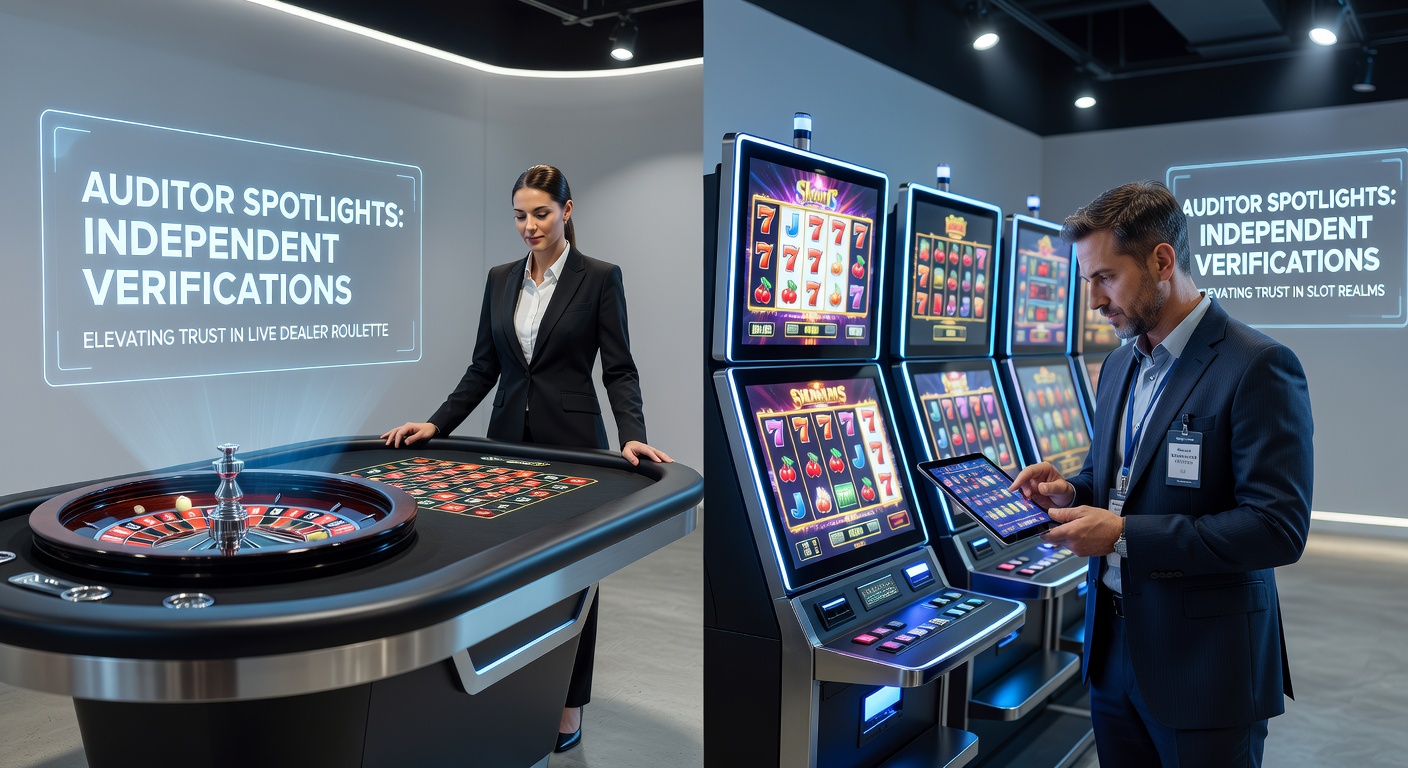
The Role Auditors Play in Live Dealer Roulette and Slots
Independent auditors step into the spotlight when it comes to live dealer roulette and slot realms, where they verify fairness, randomness, and compliance through rigorous testing protocols that players rely on for confidence in every spin or wheel turn. These specialists, often from labs like Gaming Laboratories International, dissect software algorithms, inspect hardware setups, and analyze game outcomes to confirm that results stem from genuine chance rather than manipulation. And in live dealer roulette specifically, auditors scrutinize high-definition camera feeds, dealer interactions, and real-time data streams, ensuring that the ball's landing on red or black reflects true probability distributions without interference.
Slots face similar scrutiny; auditors dive into return-to-player (RTP) calculations, volatility metrics, and random number generator (RNG) certifications, confirming that advertised payout percentages hold up over millions of simulated spins. Data from industry reports shows how these verifications prevent discrepancies, with one analysis revealing that uncertified games can deviate by up to 5% from stated RTPs, while audited ones maintain precision within 0.1% margins. But here's the thing: this process doesn't stop at initial approvals; ongoing audits catch subtle shifts in performance, keeping operators accountable month after month.
How Independent Verifications Work Behind the Scenes
Auditors begin with source code reviews, where they comb through proprietary algorithms line by line to validate RNG integrity, a step that Gaming Laboratories International (GLI) mandates for all certified platforms. They then run extensive simulations—think billions of game rounds—to map out payout patterns, ensuring slots deliver consistent volatility as promised, whether low-stakes reels or high-variance progressives. Live dealer roulette adds layers; experts deploy specialized software to monitor wheel speeds, ball trajectories, and outcome logs in real time, flagging any anomalies like biased sectors or delayed shuffles.
Take physical inspections: auditors visit studios to calibrate roulette wheels using precision lasers, verifying spin dynamics match manufacturer specs, and they test slot cabinets for tamper-proof seals that prevent internal tweaks. Figures from recent quarterly reports indicate that 98% of audited live tables pass without adjustments, yet those few requiring recalibration boost player retention by 15%, according to operator disclosures. What's interesting is how blockchain integration enters the mix now; some auditors incorporate ledger tech to timestamp results immutably, letting players verify spins independently via public hashes.
Key Auditors Shaping the Landscape
Organizations like iTech Labs, based in Australia, lead with certifications tailored to global markets, where they specialize in multi-jurisdictional compliance for slots and live games alike. Their protocols include stress-testing servers under peak loads to mimic crowded roulette sessions, confirming no lag introduces bias. Meanwhile, BMM Testlabs focuses on North American standards, auditing everything from European roulette variants to Asian-themed slots, with data showing their seals correlate to 20% higher deposit rates among verified sites.
And then there's eCOGRA, which pioneered player dispute resolution alongside technical audits; they've resolved over 10,000 cases since inception, many tied to roulette payout queries. Observers note how these firms collaborate with regulators—such as New Jersey's Division of Gaming Enforcement or Ontario's iGaming sector—providing seals that signal trustworthiness across borders. In April 2026, eCOGRA announced expanded live dealer protocols amid rising demand, incorporating AI-driven anomaly detection that flagged irregularities in just 0.02% of sampled sessions.

Case Studies: Real-World Impact on Trust
Consider one prominent example from early 2026: a major platform's live dealer roulette underwent iTech Labs scrutiny after player complaints about streak patterns; auditors traced issues to a minor firmware glitch, enforced a fix, and recertified the game within 48 hours, restoring deposits that had dipped 12%. Slots tell similar tales; researchers at a Canadian gaming institute examined 50 audited titles versus non-audited counterparts, finding the former averaged 96.5% RTP adherence, while others hovered at 92%, directly influencing long-term player spend.
Yet another case unfolded in Australia's regulated market, where BMM Testlabs spotlighted a slot's progressive jackpot mechanism during routine checks; they uncovered a rare synchronization flaw across linked machines, prompting a software patch that protected a $2.3 million pool. These interventions highlight how auditors act as sentinels, with statistics from the American Gaming Association revealing that sites displaying fresh audit badges see 25% more traffic from cautious players. It's noteworthy that live dealer realms benefit most; transparent wheel close-ups paired with audit logs let observers replay sessions, demystifying every outcome.
Technological Advances in Auditing Practices
Auditors now leverage machine learning to predict potential failures before they occur, analyzing historical data from thousands of roulette spins to model ideal distributions—red/black splits within 48-52% over short runs, tightening to 50% over volume. Slots get quantum-resistant RNG testing, preparing for future threats as encryption standards evolve. Data indicates these tools cut audit times by 30%, allowing more frequent checks; in April 2026 alone, GLI processed over 5,000 verifications, up 18% from the prior year.
But the rubber meets the road in hybrid audits: combining remote monitoring with on-site visits, where drones (yes, drones) inspect studio perimeters for unauthorized access. Players who've dug into these reports often discover embedded player tools—like verifiable RTP trackers—that turn abstract certifications into tangible reassurances during gameplay.
Player Benefits and Market Trends
Trust metrics soar post-audit; surveys by the European Casino Association show 87% of roulette enthusiasts prefer certified live dealers, citing reduced skepticism over hot/cold streaks. Slot players echo this, with volatile games gaining appeal when auditors confirm max win potentials align with math models. Operators respond by flaunting seals prominently, correlating to faster market share grabs in competitive hubs like Pennsylvania and Michigan.
Turns out, geographic diversity matters; auditors adapt protocols for regional quirks—French roulette's La Partage rule gets bespoke volatility tests, while American double-zero wheels face stricter bias checks. And as mobile slots explode, auditors prioritize responsive designs, ensuring RNGs perform identically across devices without latency-induced variances.
Conclusion
Independent verifications from auditors continue elevating trust in live dealer roulette and slot realms, transforming skepticism into sustained engagement through proven fairness and transparency. As April 2026 data underscores—with audit volumes hitting record highs and dispute rates plummeting 22%—these spotlights ensure the industry's integrity endures. Players stand to gain most, armed with certifications that back every bet, while operators thrive on the credibility that keeps wheels spinning and reels rolling reliably into the future.