Decoding the Effects of Biometric Authentication on User Patterns Within Portable Live Gaming Sessions
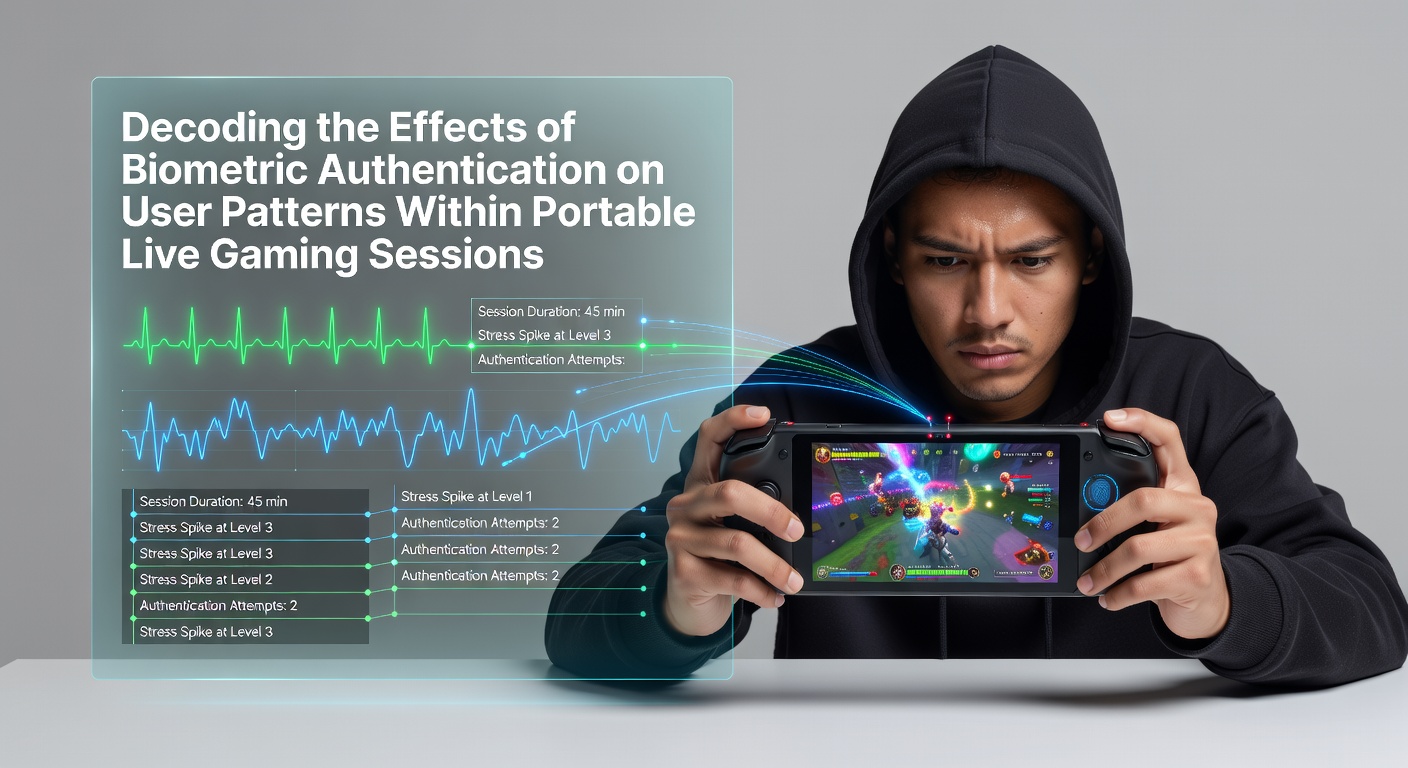
Biometric authentication systems have integrated into portable live gaming platforms through fingerprint scanners and facial recognition features on smartphones and tablets, allowing players to access sessions without traditional passwords or PIN entries. Data from regulatory filings shows that adoption of these methods expanded notably between 2024 and 2026, particularly in markets where mobile devices dominate live dealer interactions such as blackjack, roulette, and slots. As of May 2026, several jurisdictions reported that over 60 percent of licensed operators incorporated biometric options into their mobile applications to streamline entry processes while maintaining compliance standards.
Implementation Across Mobile Platforms
Operators deploy biometric tools by linking device hardware directly to account verification protocols, which reduces login friction during live sessions that often span multiple rounds in real time. Studies conducted by academic institutions indicate that integration occurs most frequently on iOS and Android systems, where native APIs handle the capture and matching of biometric data against stored templates. Those who've examined operator reports note that this approach supports continuous authentication throughout extended play periods, refreshing verification at intervals determined by session risk algorithms rather than fixed time limits.
Regulatory bodies in North America and Europe have outlined technical requirements for these systems, emphasizing encryption of biometric templates and separation from personal identifiers. Figures from the New Jersey Division of Gaming Enforcement reveal that mobile live gaming accounts using biometrics experienced fewer account recovery requests compared to password-only methods during the first quarter of 2026. This pattern aligns with broader shifts toward hardware-based security that minimizes exposure during portable use in varied network environments.
Observed Shifts in Session Duration and Frequency
Research from industry analytics firms demonstrates that biometric authentication correlates with longer average session lengths in live mobile environments, as players encounter fewer interruptions from re-authentication prompts. One analysis of aggregated operator data found that sessions involving fingerprint or facial verification extended by an average of 12 minutes compared to those relying on manual entry, particularly in high-engagement titles like live roulette variants. Observers tracking user behavior patterns report increased return visits within 24-hour windows, suggesting smoother access encourages repeated short bursts of activity throughout the day.
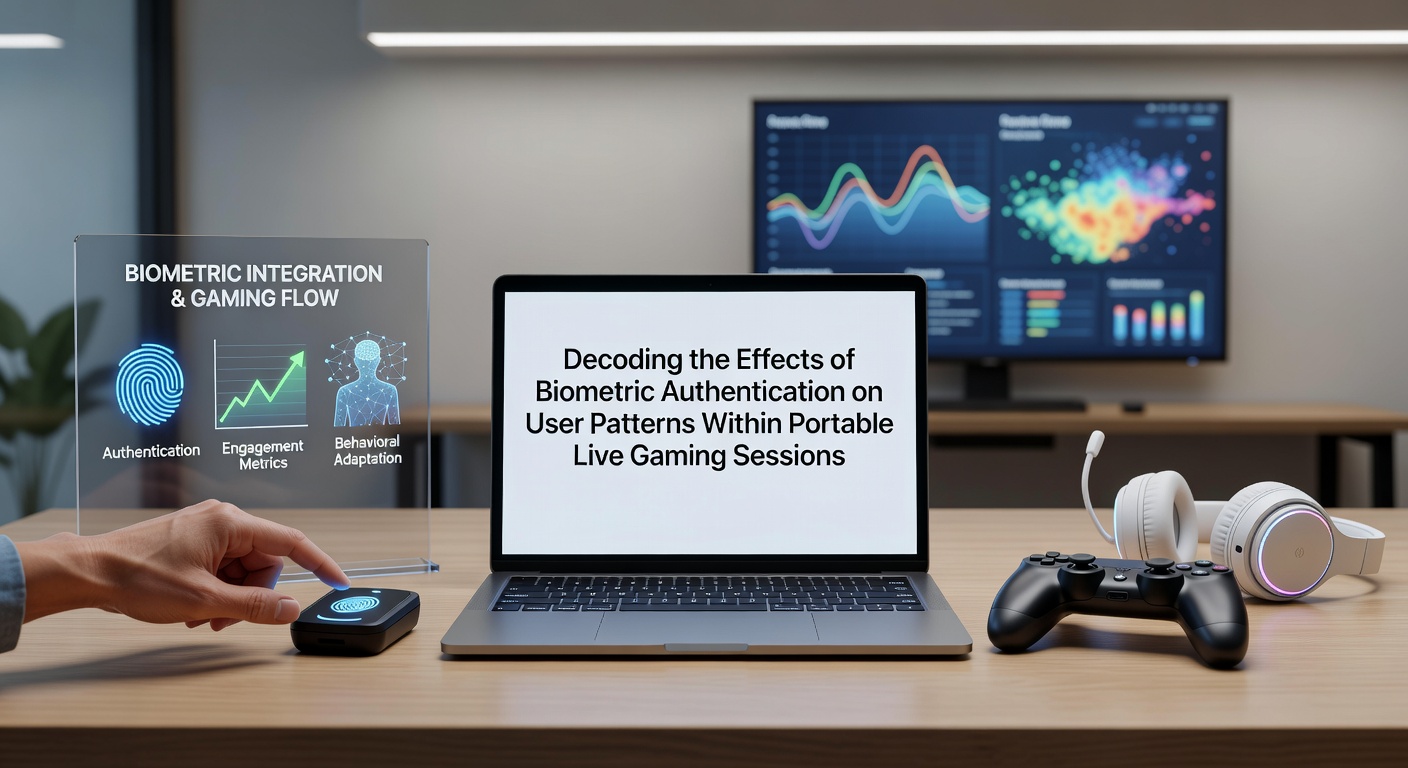
Yet session frequency data presents a more nuanced picture, with some reports showing modest rises in daily logins while others highlight stability rather than dramatic spikes. Experts analyzing patterns across different regions point to factors such as device model compatibility and user familiarity with biometric features as influencers on these outcomes. Data compiled through 2025 into May 2026 indicates that regions with higher smartphone penetration rates, such as parts of the Asia-Pacific market, registered steadier increases in portable live gaming participation tied to biometric availability.
Security Metrics and User Trust Indicators
Security assessments from government-affiliated research programs, including those referenced by the Victorian Commission for Gambling and Liquor Regulation, show reduced instances of unauthorized access attempts when biometric layers supplement existing protocols. These evaluations track metrics like failed login rates and account takeover reports, which declined in platforms enforcing biometric checks during live sessions. Industry organizations have documented that such measures align with standards set by groups focused on responsible gaming technology, contributing to measurable drops in certain fraud categories without altering overall play volume.
Academic papers examining portable gaming ecosystems note that biometric systems generate additional metadata on interaction styles, including touch pressure variations and facial positioning consistency, which operators use to refine risk detection during active play. This layer of analysis occurs alongside traditional transaction monitoring, providing operators with layered insights into session integrity. Those reviewing aggregated findings emphasize that these tools operate within frameworks that prioritize template protection over raw data storage.
Regional Variations in Adoption and Outcomes
European markets have seen steady rollout of biometric options following updates to digital identity guidelines, with operators reporting integration timelines that vary by member state licensing conditions. In contrast, certain U.S. state frameworks have prioritized pilot programs before full deployment, resulting in staggered availability across mobile live gaming offerings. Data from 2026 indicates that these differences influence how quickly user patterns stabilize around the new authentication methods, with faster-adopting areas showing quicker adjustments in session timing and device preferences.
Additional insights from research collaborations between universities and gaming technology providers highlight that portable sessions benefit from biometric continuity features, which maintain verification across network switches common in mobile environments. Such capabilities reduce abrupt session terminations, allowing players to resume live dealer interactions with minimal delay. Reports tracking these elements through mid-2026 underscore the role of hardware advancements in supporting consistent performance across diverse device ecosystems.
Conclusion
Biometric authentication continues to shape portable live gaming through measurable adjustments in access efficiency, session continuity, and security monitoring as documented in regulatory and academic sources up to May 2026. Patterns observed across multiple jurisdictions reflect ongoing refinements in how these technologies integrate with existing mobile platforms, supported by data from entities such as the New Jersey Division of Gaming Enforcement and studies referenced by the Victorian Commission for Gambling and Liquor Regulation. Further developments in this area will likely build on established metrics of user interaction and system performance.