Decoding Visual Customization Impacts on Engagement in Multi-Format Chance-Based Digital Experiences
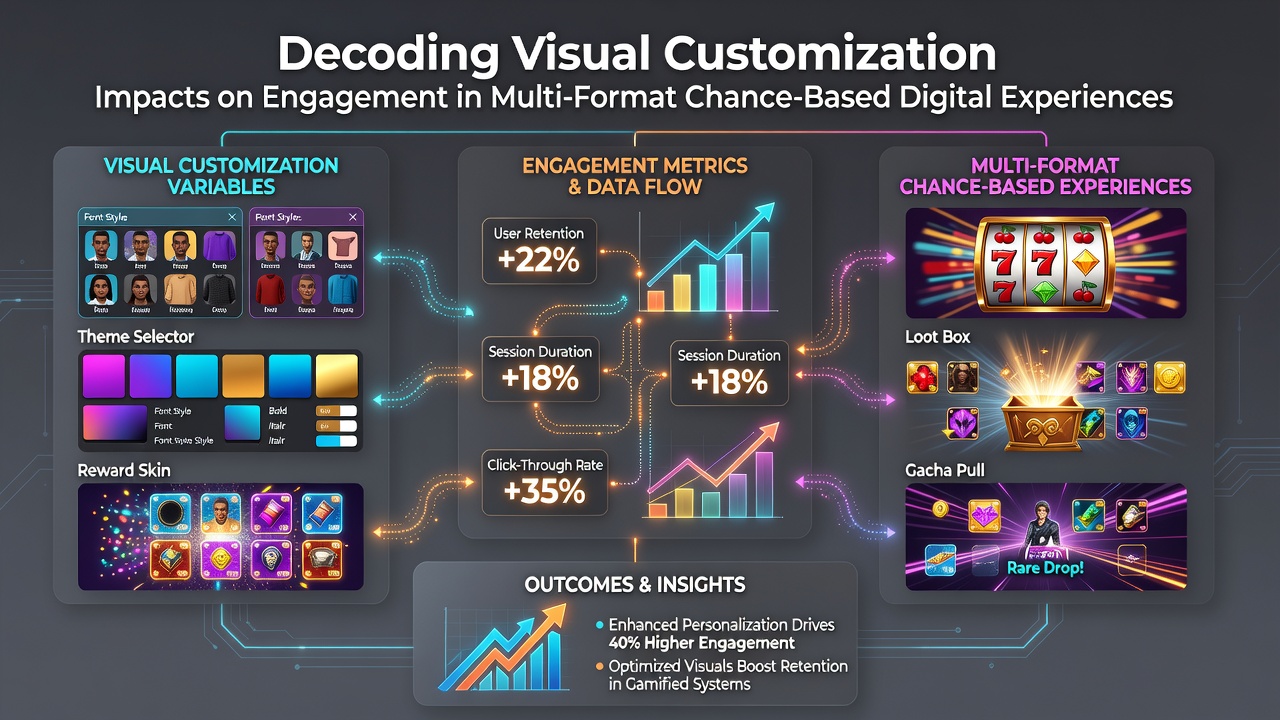
Visual customization in chance-based digital experiences refers to the ability for platforms to alter colors, themes, layouts, and interactive elements across slots, roulette, and blackjack formats while data from industry reports shows measurable shifts in user retention and session duration. Researchers at multiple institutions have tracked how these modifications align with player preferences in mobile and desktop environments throughout 2025 and into 2026.
Core Elements of Visual Customization Across Formats
Platforms adjust background palettes, symbol animations, and interface density to match different game types, and studies indicate that such changes correlate with variations in click-through rates on bonus features. Slots often incorporate particle effects and dynamic lighting whereas table games emphasize card textures and dealer perspectives yet both rely on consistent navigation menus that users can tweak through preset profiles. Observers note that multi-format systems allow seamless transitions between these styles without requiring full reloads, which reduces friction during extended play cycles.
Engagement Data Patterns in Mid-2026
Figures released in June 2026 by academic groups tracking North American operators revealed that customized visual layers increased average session length by 18 percent compared to static defaults across combined slot and live dealer offerings. Data from the same period highlighted higher return visits when players selected themes aligned with personal color preferences, particularly in regions where mobile access dominates daily usage. Australian research centers similarly documented that roulette variants with adjustable table felt colors sustained attention spans longer than fixed designs, though blackjack sessions showed more modest gains tied to card-back customization alone.
Those analyzing cross-platform ecosystems point out that visual tweaks integrate with sound cues and haptic feedback to create layered experiences, and evidence from university-led trials suggests combined elements drive completion rates for daily challenges higher than isolated changes. Platforms operating in multiple jurisdictions report that regulatory guidelines on accessibility influence how far customization extends, requiring high-contrast options alongside vibrant themes to maintain compliance.
Impacts Observed in Specific Game Categories
Slot mechanics benefit from reel-speed indicators and win-animation intensity sliders, which data shows correlate with increased spin volume per hour in sessions exceeding 30 minutes. Roulette interfaces gain from perspective shifts between top-down and immersive camera angles, and reports link these adjustments to extended betting sequences on outside wagers. Blackjack tables, meanwhile, allow chip-stack visualizations and felt-color swaps that studies associate with steadier decision-making patterns during multi-hand rounds.
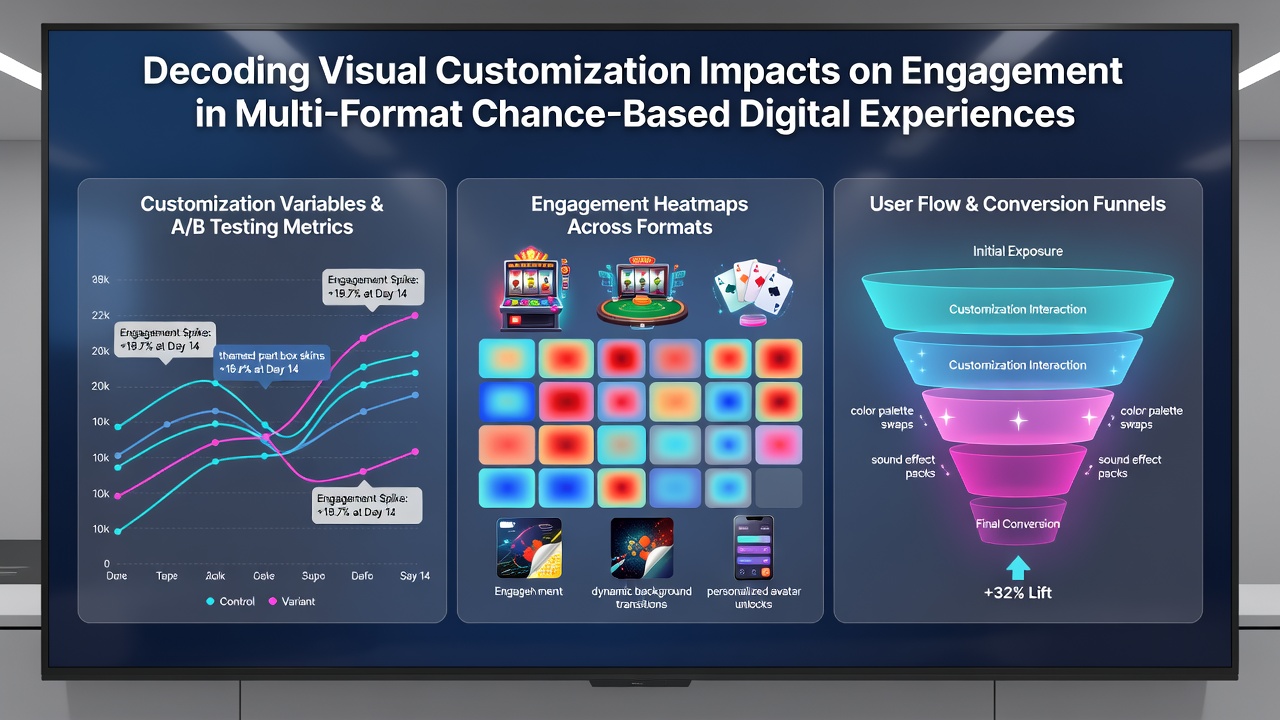
Multi-format environments that support simultaneous access to several game types demonstrate stronger overall retention when visual profiles carry across titles, according to findings from Canadian research networks. Players who apply a single theme bundle across slots and table games exhibit fewer abrupt exits, and aggregated logs confirm this pattern holds through both peak and off-peak hours in 2026 datasets.
Regulatory and Technical Considerations
Authorities in various regions require that customization tools remain optional and reversible, which encourages developers to build modular systems rather than permanent alterations. Technical implementations often involve server-side rendering that preserves game fairness while delivering personalized visuals, and audits from independent labs verify that random number generators operate independently of display layers. Links to broader industry analyses appear in reports from the American Gaming Association and the Australian Gambling Research Centre, where longitudinal data tracks how interface flexibility intersects with responsible gaming prompts.
Future Trajectories for Platform Development
Developers continue refining algorithms that suggest visual profiles based on historical interaction data, and preliminary tests in controlled environments indicate potential for further engagement lifts when predictions align closely with individual tendencies. Cross-device synchronization ensures that selections made on mobile carry to desktop sessions, reducing setup time and supporting consistent experiences across formats. Observers tracking June 2026 updates note incremental improvements in loading efficiency for high-detail themes, which helps maintain momentum during rapid game switches.
Conclusion
Visual customization stands as a documented variable within engagement metrics for multi-format chance-based digital experiences, with available data illustrating connections to session metrics and return patterns. Continued monitoring through established research channels will clarify how these elements evolve alongside technical and regulatory shifts in coming periods.