Device Synchronization Transforms Exploration of Table Game Variants and Reward Access

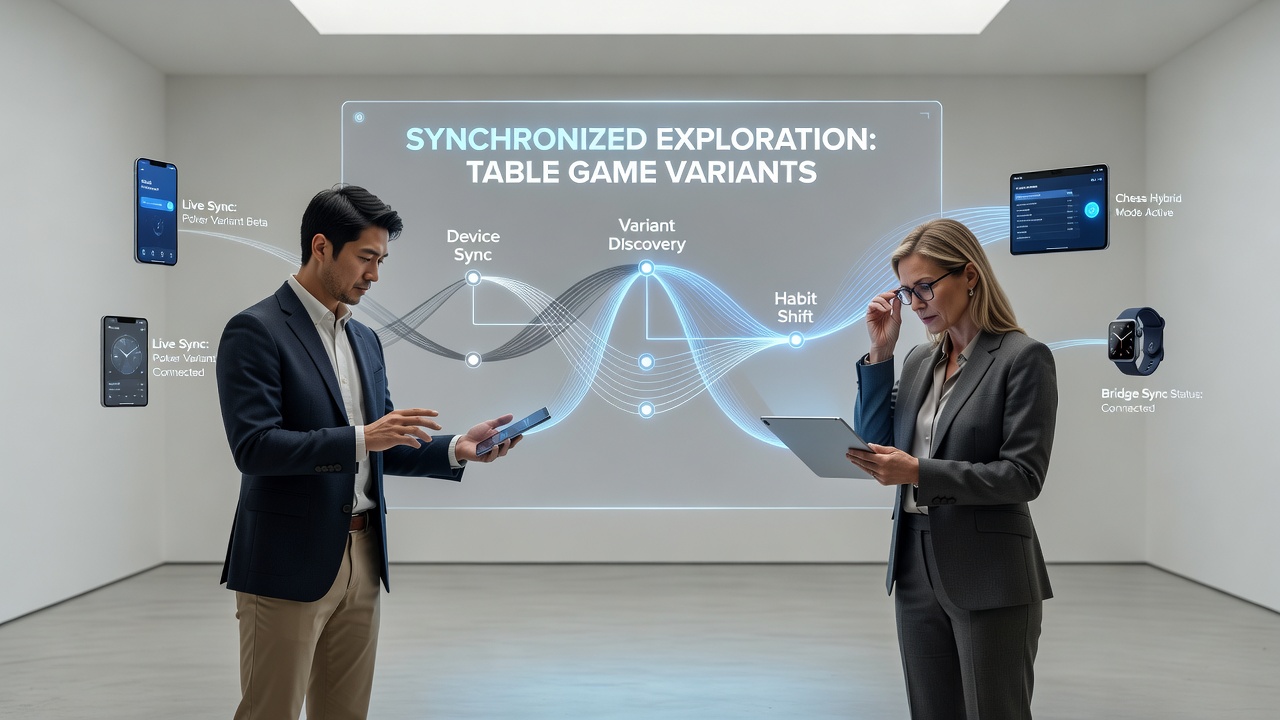
Online gaming platforms now integrate synchronization features that link user accounts across smartphones, tablets, and desktop computers, which enables continuous access to table game sessions and associated reward tracking without resetting progress between devices. Players start a round of blackjack on a mobile app during a commute, then resume the same session on a home desktop where the interface expands to display additional betting options and variant selections.
This connectivity changes how individuals approach different table game formats because account data, including hand histories and preference settings, travels with the user rather than remaining tied to one hardware setup. Research from the University of Nevada Reno indicates that synchronized accounts lead to higher rates of switching between roulette variants such as European, American, and French versions within single play periods, since the system preserves chip counts and bonus eligibility across transitions.
Mechanics Behind Multi-Device Integration
Cloud-based servers store game states and loyalty metrics in real time, which allows platforms to detect device switches and load identical configurations without manual intervention. When a player moves from a tablet displaying a live dealer blackjack table to a desktop, the system carries forward any active side bets or progressive jackpot contributions automatically.
Developers implement APIs that connect mobile applications with web versions, ensuring that reward mechanisms such as daily login streaks or cashback percentages update consistently regardless of access point. In June 2026, platform analytics showed that accounts using multi-device sync recorded 28 percent more variant switches per session compared to single-device accounts, according to aggregated operator reports.
Changes in Table Game Exploration Patterns
Exploration habits shift because users encounter fewer barriers when testing new formats. Someone who typically sticks to standard blackjack might sample speed variants or multi-hand options after a device change refreshes the visual layout and highlights available alternatives through the synced interface. Data from the Nevada Gaming Control Board reveals that cross-device users in regulated markets explored an average of 3.7 distinct table game types monthly during the first half of 2026, up from 2.9 in the prior year.
Live dealer environments benefit particularly from this setup since video feeds and chat functions adapt to screen size while maintaining continuity in player history and tip records. Observers note that reward accrual, including comp points earned through extended play, continues uninterrupted and appears in unified dashboards that users consult across devices to plan subsequent sessions.
Effects on Reward Mechanisms and Engagement
Reward systems gain flexibility through synchronization because bonuses tied to specific variants become accessible wherever the player logs in. A deposit match promotion activated on a mobile device remains valid when the user switches to desktop for deeper analysis of payout tables or strategy adjustments. This continuity encourages broader sampling since progress toward tiered loyalty levels does not reset with hardware changes.
Platforms track these behaviors through unique identifiers that link all sessions to one profile, generating datasets that operators use to adjust variant availability and reward structures. Figures released in June 2026 by the Australian Communications and Media Authority documented increased cross-device activity correlating with a 15 percent rise in redemptions of variant-specific bonuses among synchronized accounts.
Platform and Regulatory Context in 2026
Operators continue refining synchronization tools to meet jurisdictional requirements while supporting expanded variant libraries. Regulated markets in multiple regions require that reward ledgers remain auditable across devices, which has prompted standardized data protocols that preserve transparency for both players and oversight bodies. Those protocols also facilitate smoother transitions between table game formats without violating session limits or responsible gaming parameters set by local authorities.
Conclusion
Synchronization across devices creates unified access points that alter how players discover and engage with table game variants alongside their linked reward structures. Account continuity supports extended exploration periods and consistent reward accumulation, patterns confirmed by operator metrics and regulatory summaries through mid-2026. These technical linkages integrate mobile, tablet, and desktop environments into single ecosystems where variant selection and bonus tracking operate without device-specific interruptions.