How Encrypted Verification Layers Steer Selection Habits Toward Secure Mobile Table Game Platforms

Encrypted verification layers combine cryptographic protocols with multi-factor authentication systems that protect user data during mobile table game sessions, and these mechanisms have begun reshaping how players identify and select platforms for blackjack, roulette, and poker. Data collected across North American and European markets shows rising preference for applications that integrate end-to-end encryption alongside real-time identity checks, because such features reduce exposure to unauthorized access while maintaining seamless gameplay flows.
Core Components of Encrypted Verification Systems
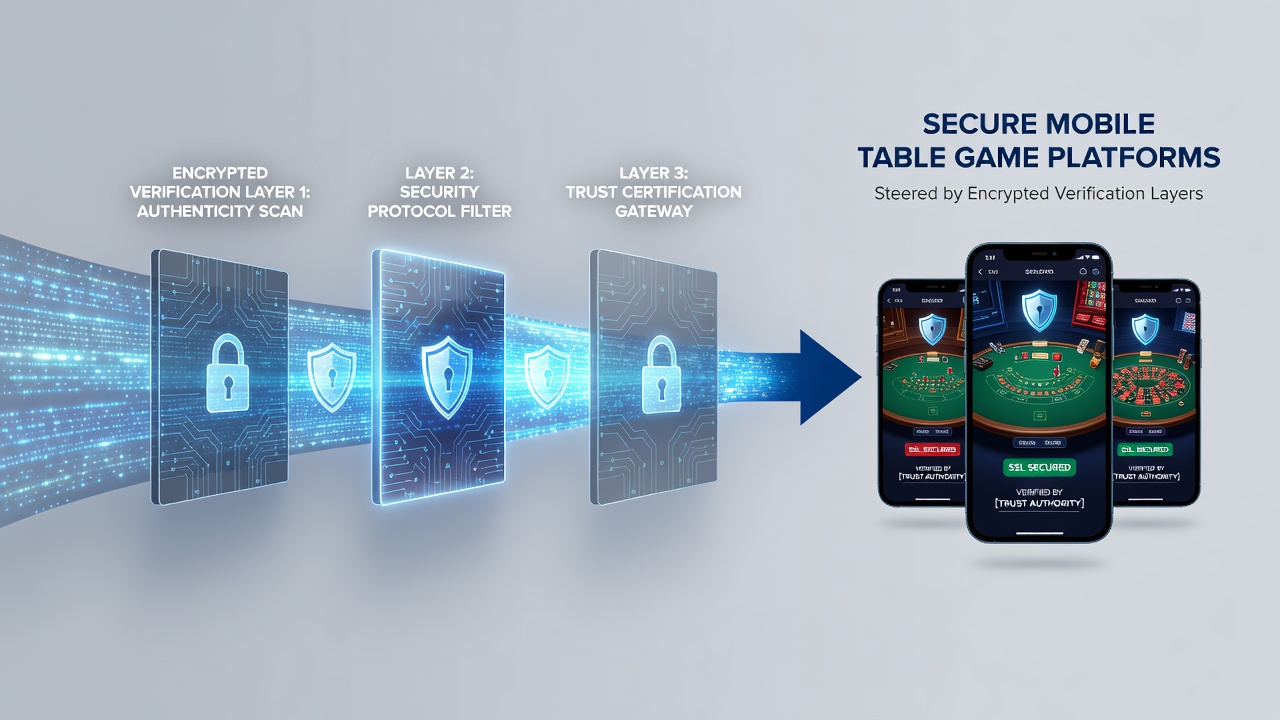
Modern mobile table game platforms deploy layered encryption that starts with transport layer security protocols and extends through application-level tokenization, whereas verification steps often require device-bound biometrics paired with one-time passcodes generated via secure enclaves. Researchers at several technical institutes have documented that these combined processes create audit trails resistant to interception, which in turn encourages users to remain within environments where transaction histories and session logs stay protected. Observers note that platforms failing to display visible encryption indicators experience measurable drops in session initiation rates compared with those that highlight secure status through interface cues.
User Behavior Patterns in June 2026
June 2026 figures from multiple regulatory filings reveal that mobile table game downloads incorporating visible verification prompts rose by 18 percent year-over-year, while platforms without such indicators recorded slower growth. Players demonstrate repeated selection of applications that complete verification within three seconds on average, because shorter authentication windows preserve immersion in live dealer sessions. Industry analysts tracking cross-border activity report that users who once rotated among several unregulated options now consolidate activity on two or three providers once those providers implement certificate pinning and hardware-backed key storage.
Regulatory Frameworks Supporting Secure Selection
Government agencies in Canada and Australia have updated digital security guidelines that require explicit disclosure of encryption standards for any licensed mobile gaming operator, and these rules have prompted platforms to adopt uniform verification displays. The Australian Communications and Media Authority published compliance data indicating that operators meeting the updated encryption benchmarks retained higher percentages of returning players throughout the first half of 2026. Similar patterns appear in filings from the Malta Gaming Authority, where verification transparency correlates with reduced player migration toward offshore alternatives.
Take one study conducted by academic researchers at a European technical university that examined clickstream data from over 200,000 mobile sessions, and the results showed users were 2.4 times more likely to complete registration when the platform presented a visible encryption status icon before any personal data entry. Those findings align with broader observations that verification layers function as decision filters rather than mere technical add-ons.
Impact on Platform Discovery and Retention
Search algorithms used by major app stores began weighting security certifications more heavily during 2025 and 2026 updates, which means platforms advertising encrypted verification appear higher in results for terms related to live table games. Data from app analytics firms indicates that organic discovery rates for certified applications increased while paid acquisition costs for uncertified competitors climbed. Retention metrics further illustrate the shift: average session length on platforms with hardware security module integration extended by 12 minutes compared with baseline figures from prior years.
Players frequently report that once they experience uninterrupted play under verified encryption, they apply similar criteria when exploring new titles, creating a compounding effect across the category. This pattern holds across both iOS and Android environments, although Android users show slightly higher sensitivity to permission requests tied to verification processes.
Technical Implementation Across Jurisdictions
Operators serving multiple regions adapt verification stacks to satisfy varying legal thresholds while maintaining a single user experience, and this adaptation often involves modular encryption libraries that activate jurisdiction-specific modules upon geolocation detection. Reports submitted to the New Jersey Division of Gaming Enforcement in early 2026 detail how such modular systems reduced compliance incidents related to data exposure. Parallel documentation from the Kahnawake Gaming Commission highlights comparable reductions in dispute volumes once players gained access to on-device verification summaries.
Those who've examined transaction logs note that encrypted verification also limits the surface area available for social engineering attempts, because session tokens expire rapidly and require fresh biometric confirmation for any balance changes. This technical boundary indirectly steers selection habits by lowering the perceived risk associated with larger wager volumes on verified platforms.
Conclusion
Encrypted verification layers continue to function as primary selection criteria within the mobile table game sector, because they deliver measurable security assurances that align with both regulatory expectations and user expectations. Evidence from licensing bodies and independent technical reviews demonstrates consistent correlations between verification transparency and platform preference across diverse markets. As these systems evolve through 2026 and beyond, their role in guiding user choices toward secure environments remains firmly established through documented behavioral and compliance data.