Patterns in Game Selection Influenced by Loyalty Tier Progressions Within Multi-Jurisdictional Digital Betting Ecosystems
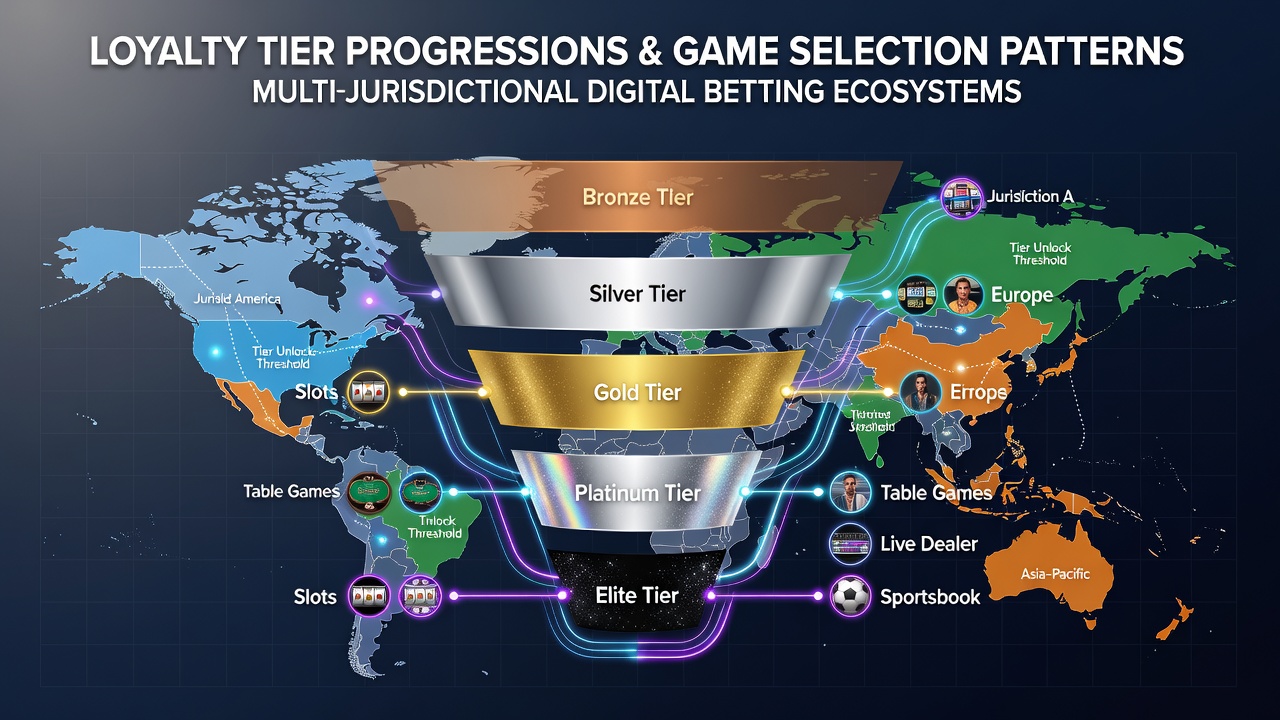
Digital betting platforms operating across multiple jurisdictions have developed loyalty structures that tie tier advancement directly to player activity metrics such as wager volume and session frequency, and these structures in turn shape which games participants select as they move through the levels. Observers note that operators adjust reward multipliers and bonus eligibility based on regulatory requirements that differ between markets like New Jersey, Ontario, and several Australian states, creating distinct progression paths that favor certain game categories over others.
Research from multi-state operators indicates that entry-level tiers often emphasize high-volume slot play because these games generate consistent turnover metrics used to calculate advancement points, whereas higher tiers unlock access to table games with lower house edges or exclusive live dealer variants that carry additional loyalty multipliers. Data compiled in July 2026 shows that players who reach mid-tier status in platforms licensed under both New Jersey and Pennsylvania regulations shift approximately 18 percent of their activity toward blackjack and roulette variants once those titles become eligible for accelerated point accumulation.
Tier Mechanics Across Regulatory Boundaries
Platforms must comply with varying point calculation formulas required by each licensing authority, so a single user account active in multiple regions experiences different advancement speeds depending on which jurisdiction hosts the session. For instance, Ontario iGaming rules mandate separate tracking for sports betting versus casino game wagers, which leads operators to weight table game selections more heavily once a player crosses into the second or third tier.
Those who study cross-border user behavior report that loyalty dashboards display jurisdiction-specific progress bars, prompting participants to concentrate wagers on game types that satisfy the strictest local formula at any given moment. This segmentation produces observable patterns where slot-heavy play dominates early stages while live dealer table games gain traction after tier thresholds unlock bonus buy features or cashback percentages unavailable at lower levels.
Observed Shifts in Game Category Preferences
Analysis of aggregated transaction logs reveals that players advancing from bronze to silver tiers increase their roulette selections by measurable margins once daily loss limits tied to loyalty status become available. In contrast, gold and platinum participants demonstrate elevated engagement with video poker and certain skill-influenced variants because these titles often receive extra point multipliers under frameworks enforced by the Australian Communications and Media Authority.
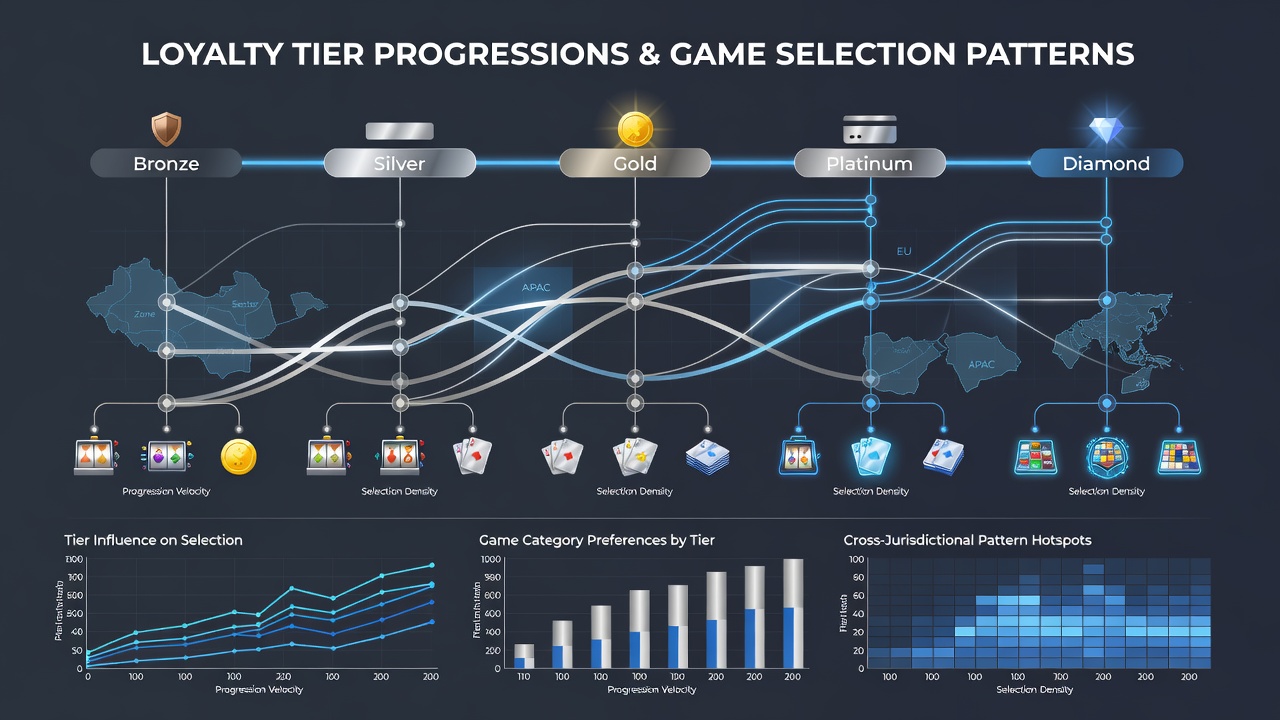
Operators adjust promotional calendars quarterly to align with these shifts, releasing tier-exclusive live blackjack tables during periods when regulatory filings show increased cross-jurisdictional traffic. Figures reveal that the average number of distinct game types per active account rises from 2.3 at entry tier to 4.7 once users attain the highest loyalty bracket, reflecting both expanded access and strategic selection aimed at maximizing remaining point requirements.
Data Patterns From Multi-Market Reports
Studies conducted by independent research groups tracking digital betting ecosystems document consistent correlations between tier milestones and game volatility preferences. Lower-tier accounts tend toward medium-volatility slots that balance session length with steady point accrual, while elevated tiers show greater allocation toward low-volatility table games that preserve bankrolls during extended play required to maintain status.
According to findings published by the iGaming Ontario research portal, accounts progressing through loyalty stages in the first half of 2026 allocated 27 percent more wagers to live dealer formats after crossing the third tier threshold compared with the preceding quarter. Similar patterns appear in reports covering several European markets where operators apply harmonized loyalty engines across separate national licenses.
Regulatory Influence on Selection Algorithms
Licensing conditions in several jurisdictions require operators to publish tier advancement criteria, which in turn allows players to optimize game selections around publicly disclosed point tables. This transparency produces deliberate migration toward titles that deliver the highest point-to-wager ratio under each local rule set, especially when users maintain accounts active in two or more regions simultaneously.
Platform algorithms respond by surfacing personalized game recommendations that highlight titles currently weighted most favorably for the account's current tier and active jurisdictions. Observers tracking these recommendation engines note increased display frequency for progressive jackpot slots at lower tiers and exclusive baccarat variants once platinum status activates region-specific cashback overlays.
Conclusion
Multi-jurisdictional loyalty systems create layered incentive structures that guide game selection through a combination of point multipliers, bonus eligibility, and regulatory-mandated transparency. Records from July 2026 illustrate measurable redistribution of play volume as accounts advance, with slot dominance giving way to broader participation in table games and live dealer formats at higher tiers. These patterns continue to evolve alongside updates to licensing conditions across the involved markets.