Regional licensing variances steering digital wallet integrations across portable card and reel platforms
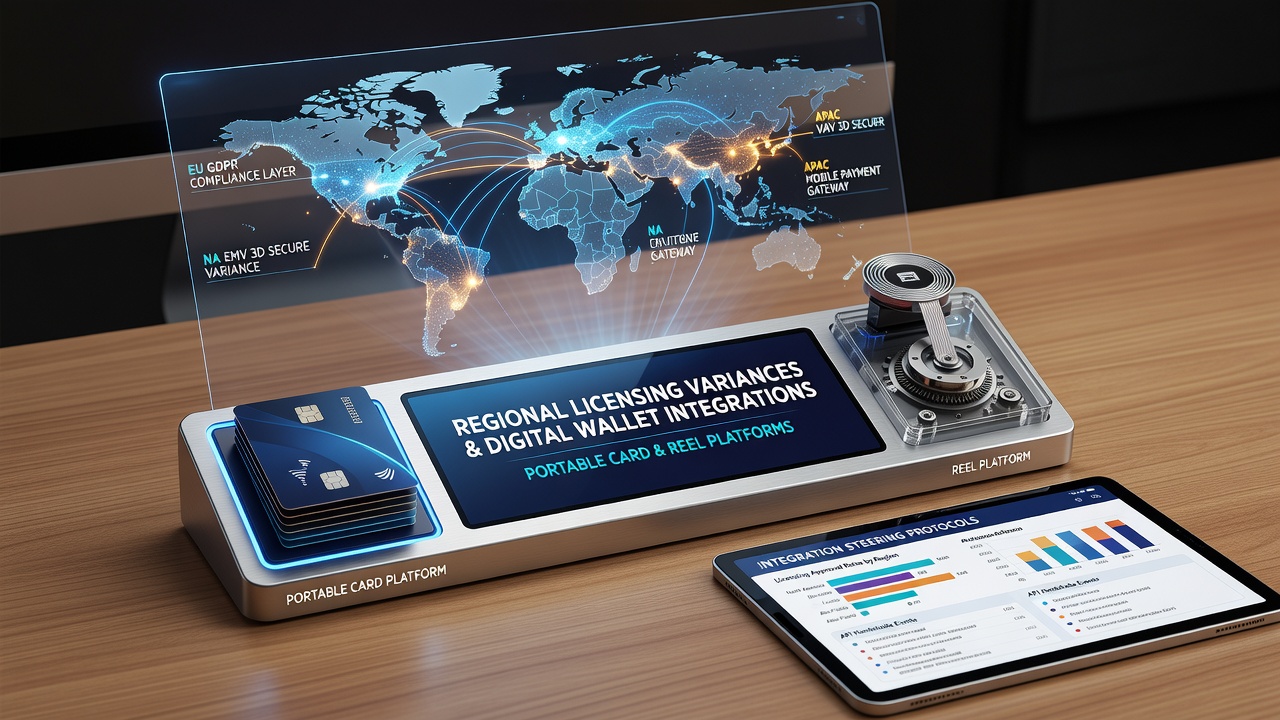
Regional licensing variances create distinct pathways for digital wallet integrations in portable card and reel platforms, where mobile applications support blackjack, roulette, and slot mechanics across multiple jurisdictions. Operators must navigate these differences to enable seamless transactions while complying with local rules that govern payment methods, data handling, and user verification. Data from industry reports shows that these variances often determine which wallets gain approval, ranging from traditional e-wallets to emerging digital options that align with specific regulatory demands.
Licensing structures across key markets
European markets demonstrate varied approaches, with the Malta Gaming Authority overseeing frameworks that permit broader digital wallet adoption for cross-border mobile platforms, whereas certain member states impose additional layers of payment authorization tied to consumer protection statutes. In contrast, North American jurisdictions apply state-by-state or provincial rules that frequently limit wallet options to those with established banking partnerships, which influences how reel and card game providers configure their mobile interfaces. Observers note that these structural differences steer development teams toward modular payment systems capable of toggling features based on user location and license requirements.
Asia-Pacific regions add further complexity through licensing models that prioritize local financial institutions, leading operators to integrate region-specific wallets alongside global standards. Research indicates that such adaptations help maintain compliance when portable platforms expand into new territories, where reel mechanics and card tables must interface with approved transaction flows without disrupting gameplay continuity.
Technical adaptations driven by regulatory differences
Wallet integration processes adapt to licensing mandates through API customizations that handle jurisdiction-specific verification steps, encryption standards, and reporting obligations. Portable card platforms often require real-time checks for anti-money laundering protocols that differ by region, while reel applications focus on session tracking tied to deposit limits enforced under local licenses. These technical layers ensure that mobile users encounter approved payment options without exposure to non-compliant methods.
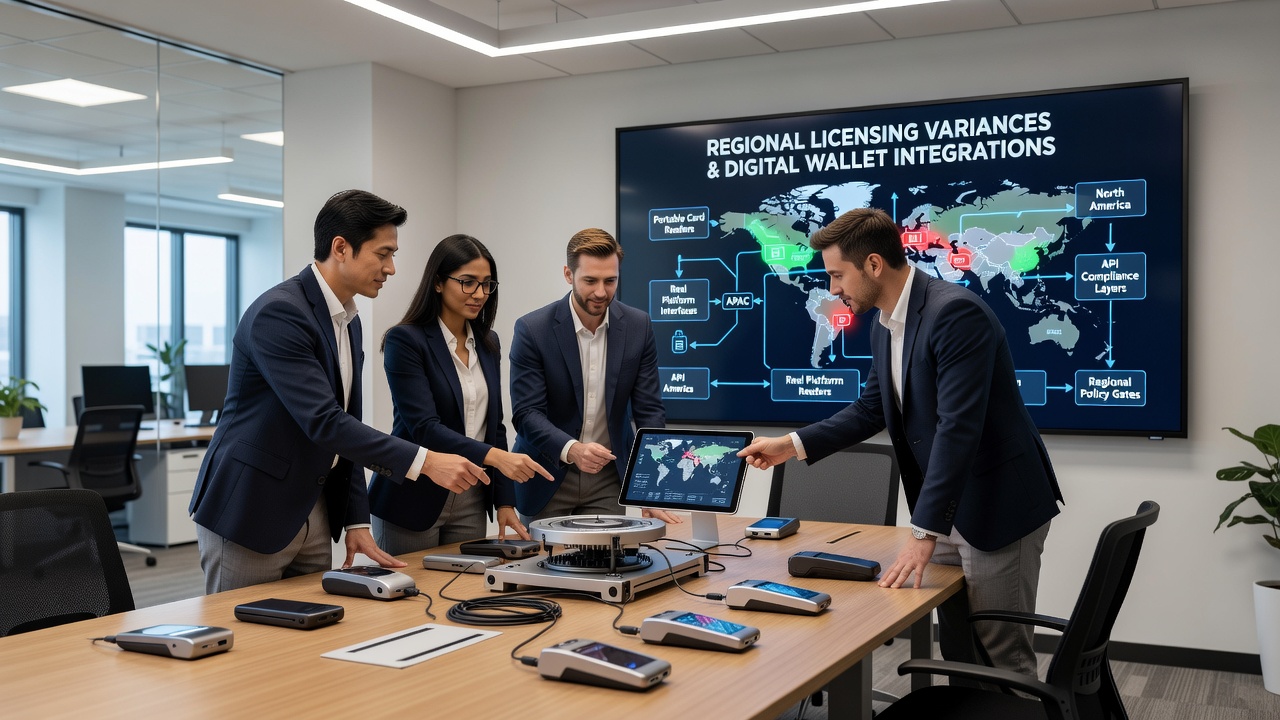
Developers respond by building flexible backends that detect licensing contexts at launch and adjust wallet menus accordingly. According to a 2025 study from the University of Nevada, Reno on gaming technology compliance, such systems reduce integration delays when platforms move between markets with contrasting rules. In July 2026, updates from the Australian Communications and Media Authority highlighted ongoing refinements in digital payment linkages for interactive gambling services, noting increased emphasis on wallet traceability features across mobile deployments.
Market examples and compliance pathways
Canadian provincial frameworks illustrate how licensing variances affect wallet selections, with Ontario's iGaming regulations favoring wallets that support direct bank linkages and detailed audit trails for both card and reel offerings. Meanwhile, European operators under multiple national licenses often consolidate integrations around wallets pre-approved for multi-jurisdictional use, which streamlines updates across portable platforms. Industry associations such as the European Gaming and Betting Association have documented these patterns in reports that track payment evolution in licensed environments.
Similar dynamics appear in South African regulatory settings, where licensing conditions tied to the National Gambling Board encourage partnerships with local digital payment providers to facilitate mobile access for table games and slots. These examples reveal consistent themes where license conditions directly shape the range of available wallets and the speed at which new options reach users on portable devices.
Emerging trends in 2026 integrations
By mid-2026, several platforms began testing unified wallet frameworks that accommodate multiple regional licenses through dynamic configuration tools. This approach allows card game sessions and reel spins to proceed uninterrupted while transaction data routes through compliant channels. Figures from regulatory filings show gradual expansion of supported wallets in markets that previously restricted options, driven by updated licensing interpretations that recognize secure digital alternatives.
Cross-platform ecosystems continue to evolve as operators align wallet features with licensing timelines, ensuring that portable applications maintain functionality across borders without violating local statutes. These developments underscore the ongoing influence of regulatory variances on the technical architecture supporting mobile gaming transactions.
Conclusion
Regional licensing variances continue to guide digital wallet integrations within portable card and reel platforms by establishing clear boundaries for approved payment methods and verification processes. Operators address these requirements through adaptable technical solutions that respond to jurisdiction-specific rules, supporting consistent user experiences across diverse markets. Data from multiple regulatory bodies and research institutions confirms that such steering effects shape both current implementations and future platform designs in the mobile gaming sector.