The Evolution of Layered Soundscapes in Video Reel Mechanics and Their Connection to Extended Play Cycles
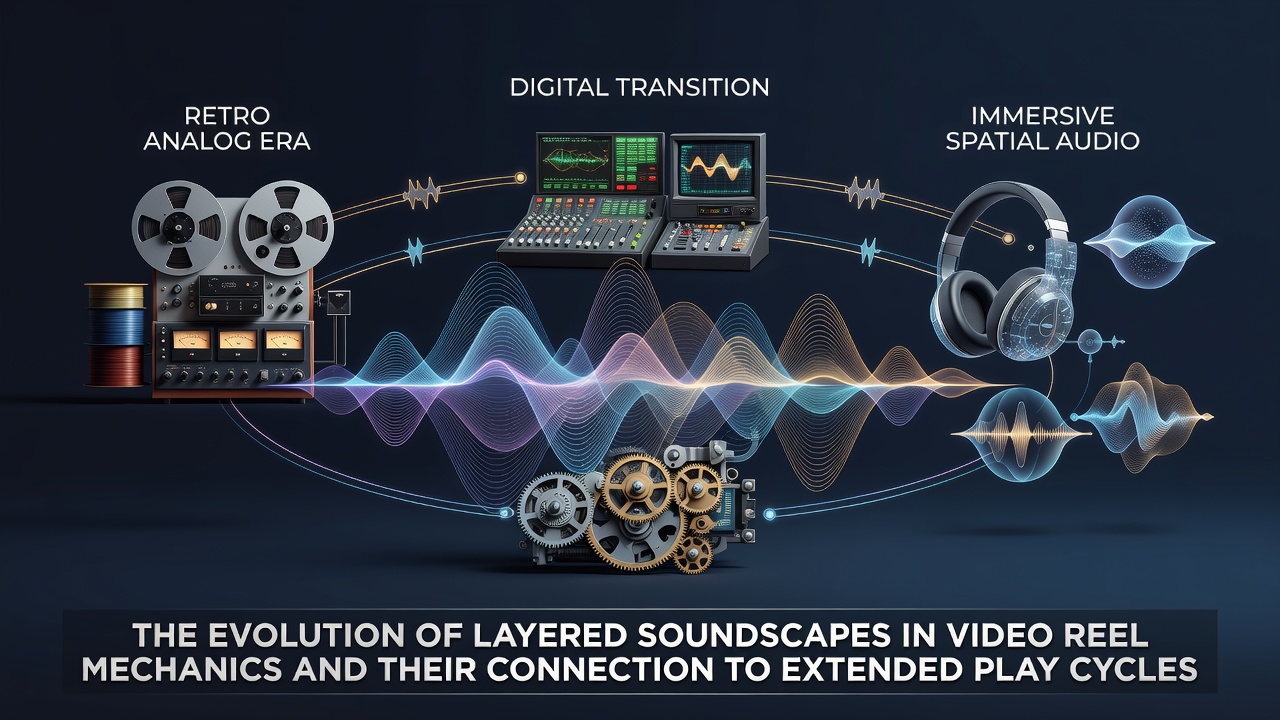
Video reel mechanics in modern gaming platforms have incorporated increasingly complex audio structures since the shift from mechanical to digital formats in the late 20th century, and these developments align with measurable changes in session durations across multiple jurisdictions. Early electronic slots relied on single-tone alerts and basic reel-stop clicks that activated only during wins or near-misses, whereas contemporary systems deploy overlapping tracks that include ambient loops, dynamic music swells, and synchronized effect layers triggered by reel positions and bonus triggers.
Initial Transitions in Audio Integration
Manufacturers began experimenting with multi-track audio during the 1990s when video screens replaced physical reels, and data compiled by regulatory bodies such as the Nevada Gaming Control Board recorded steady increases in average play duration as sound complexity grew. Simple beep sequences gave way to sampled instrument tracks that played continuously in the background, while win notifications layered on top without interrupting the underlying rhythm, creating a continuous auditory environment that maintained player attention across repeated spins.
By the early 2000s several platforms introduced adaptive sound engines capable of modulating volume and intensity based on bet size and consecutive outcomes, and researchers tracking user patterns noted corresponding extensions in time spent per session. These engines allowed low-stakes play to feature subdued loops while higher wagers activated fuller orchestral elements, demonstrating a direct technical link between reel event triggers and audio response curves.
Layered Systems and Reel Event Synchronization
Current video reel designs employ four to six simultaneous audio channels that activate according to specific mechanical events, including base-game spins, symbol combinations, and transition animations into bonus rounds. One channel typically carries a looping musical bed that shifts key or tempo during streaks of consecutive spins, while additional channels handle percussive hits on reel stops, vocal exclamations during feature triggers, and subtle rising tones during near-miss sequences.
Industry analyses from 2025 through June 2026 show platforms using these synchronized layers report average session lengths extending by 12 to 18 percent compared with titles limited to two-channel audio, according to aggregated figures released by the Australian Gambling Research Centre. The synchronization relies on precise timing algorithms that match audio peaks to visual reel decelerations, ensuring the soundscape reinforces each mechanical outcome without requiring separate player input.
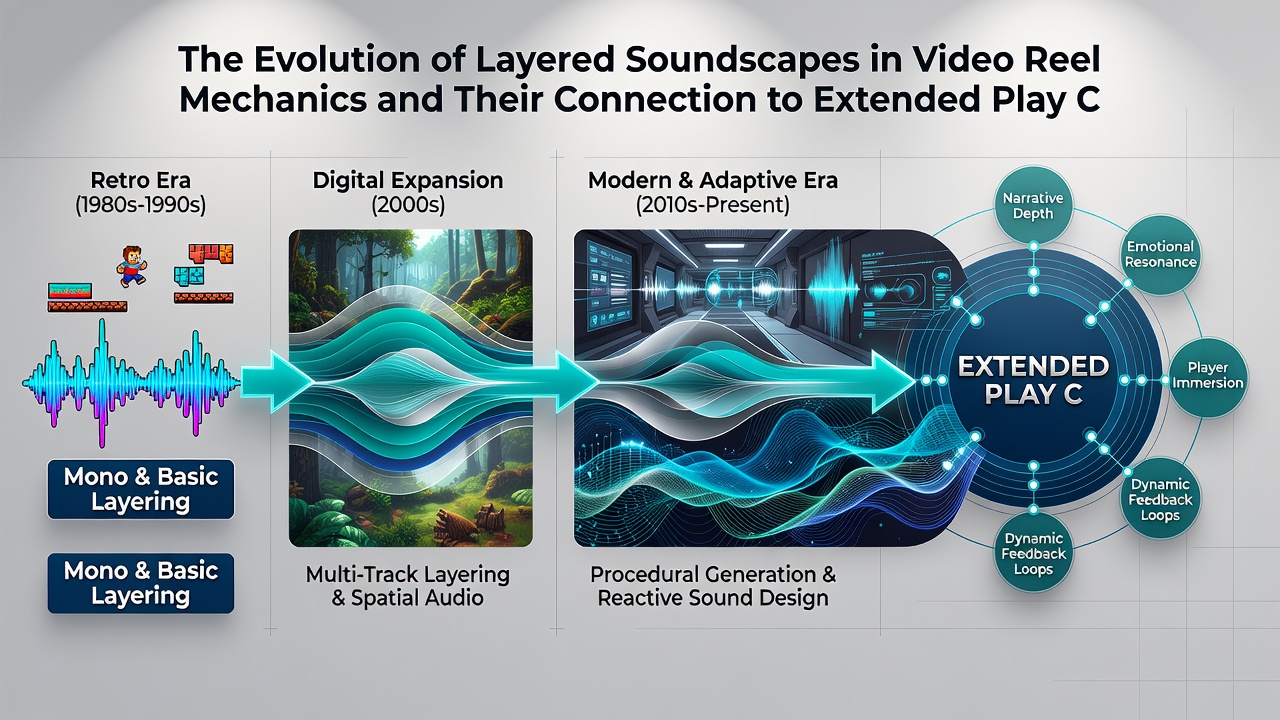
Developers further refined these systems by introducing context-aware mixing that reduces certain frequencies during high-volatility stretches and emphasizes celebratory elements after smaller recurring wins, and telemetry collected across mobile and desktop deployments indicates this approach correlates with fewer early exits from individual games.
Extended Play Cycles and Audio Feedback Loops
Extended play cycles emerge when audio feedback aligns with the natural rhythm of reel spins, and multiple studies document how continuous yet varied soundscapes reduce the perception of elapsed time. Sound designers program micro-variations in the background layer every 30 to 45 seconds to prevent auditory habituation, while win and bonus cues remain distinct enough to register as separate events, and this combination sustains engagement without explicit visual prompts.
Regulatory reports from the Ontario Lottery and Gaming Corporation covering the first half of 2026 list titles with advanced layered audio among those showing the highest repeat visit rates, although session length increases appear independent of jackpot size or bonus frequency. The mechanical connection operates through consistent audio cues that mark progress through reel cycles, allowing players to track game state through sound alone even when visual attention shifts momentarily.
Platforms that introduced real-time audio adaptation based on individual play history in 2025 recorded further gains in cycle duration, with the adaptive layer adjusting intensity according to detected patterns such as rapid spin rates or pauses between bets. These adjustments occur within milliseconds of each reel stop, maintaining the illusion of a responsive environment that evolves alongside the mechanical sequence.
Technical Implementation Across Platforms
Cross-platform deployment requires sound assets optimized for different hardware capabilities, and developers compress layered tracks to preserve spatial positioning on mobile devices while retaining full dynamic range on desktop systems. Middleware tools now allow simultaneous playback of up to eight independent stems, each tied to distinct reel parameters such as symbol type, bet multiplier, and proximity to bonus thresholds, and this architecture supports the observed extension of play cycles across both land-based terminals and online interfaces.
Testing conducted by European gaming laboratories in late 2025 confirmed that titles utilizing full multi-layer implementations maintained consistent audio synchronization even under variable network conditions, eliminating interruptions that previously shortened sessions when sound and visuals fell out of phase. The same tests documented reduced player-initiated pauses once the layered system stabilized, pointing to a measurable relationship between uninterrupted audio flow and continued reel engagement.
Conclusion
The progression from single-tone alerts to synchronized multi-channel soundscapes has coincided with documented increases in average session lengths across regulated markets, and the technical linkage occurs through precise alignment of audio events with reel mechanics rather than through any single design choice. Data collected through June 2026 continues to track these patterns as platforms refine adaptive mixing and stem management to sustain longer continuous play cycles while remaining within existing technical and regulatory parameters.