Tracing Compliance Pathways for Wireless Card Game Platforms Across Multiple Jurisdictions
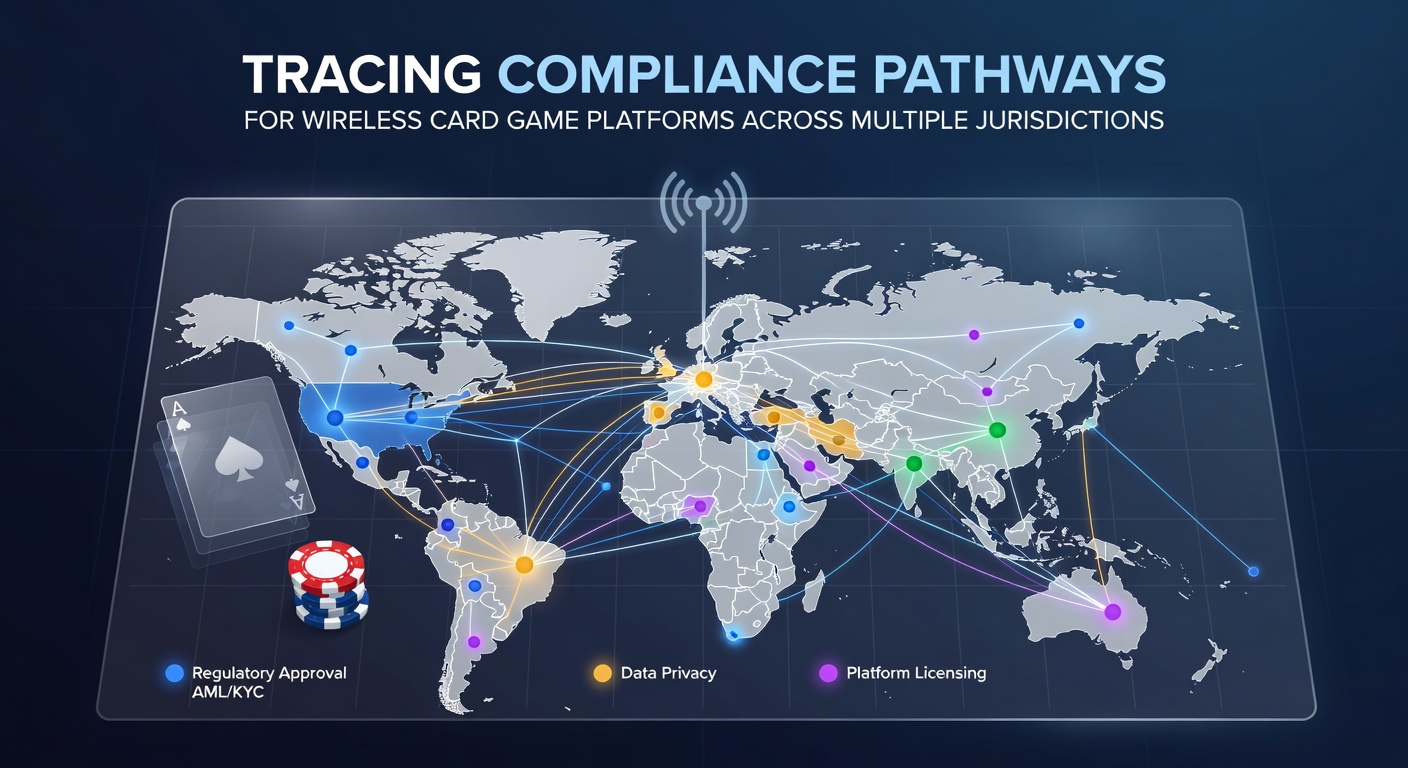
Wireless card game platforms operate through mobile applications that deliver poker, blackjack and similar table games to users on smartphones and tablets, and these services must navigate distinct regulatory frameworks that differ sharply by region. Observers note that operators typically begin by mapping out licensing obligations, data protection rules and financial reporting standards before launching in any new market, since a single platform might serve players across state lines or national borders simultaneously. Data indicates that successful navigation often hinges on early engagement with local authorities, which helps platforms align their systems with jurisdiction-specific requirements from the outset.
Core Elements of Compliance Mapping
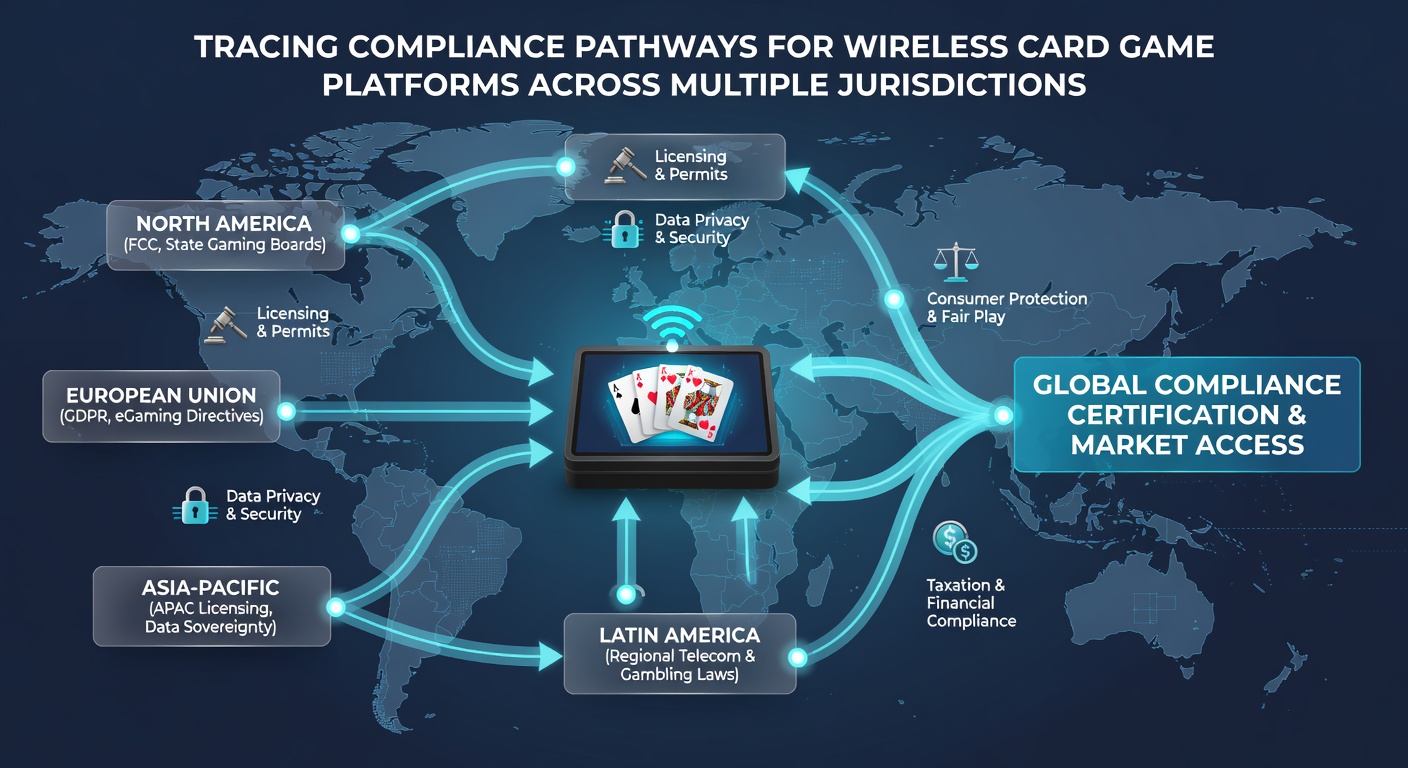
Compliance pathways start with identification of applicable licenses, where wireless platforms must secure approvals that cover both gaming operations and the underlying technology infrastructure. Researchers have observed that age verification protocols form another foundational layer, requiring integration of government-issued ID checks or third-party services that confirm users meet minimum thresholds in each territory. Those who've studied these processes know that payment processing rules add further complexity, as jurisdictions impose varying restrictions on deposit methods, withdrawal timelines and anti-money laundering screenings that platforms must embed directly into their apps.
What's interesting is how data localization mandates intersect with these elements, forcing some operators to maintain separate servers within specific countries to satisfy privacy statutes. Experts have observed that June 2026 saw several North American regulators issue updated guidance on cross-border data flows for gaming applications, prompting platforms to audit their encryption standards and user consent mechanisms more rigorously. And while technical audits consume resources, they ultimately streamline approvals by demonstrating proactive alignment with evolving standards.
Regional Variations in Licensing and Oversight
North American markets present a patchwork of state and provincial rules that wireless platforms address through modular compliance architectures. In New Jersey, for instance, the Division of Gaming Enforcement requires real-time reporting interfaces that feed directly into state monitoring systems, whereas Canadian provinces like Ontario emphasize player fund segregation through independent trustees. Observers note that platforms often deploy geo-fencing technologies to restrict access automatically when users cross into unregulated zones, reducing inadvertent violations.
European pathways differ again because member states implement overarching directives on consumer protection and fair gaming through their own national authorities. Platforms serving multiple EU countries frequently obtain certifications under frameworks like those administered by the Malta Gaming Authority, which then facilitate recognition in other participating jurisdictions. Figures reveal that such mutual recognition arrangements have accelerated market entry for several wireless operators since 2024, although each nation still imposes supplementary requirements around responsible gaming tools and advertising disclosures.
Australian regulators add another dimension through the Australian Communications and Media Authority, which oversees interactive gambling services and enforces prohibitions on certain card game variants unless specific exemptions apply. Those tracking these developments point out that platforms must also comply with local content rules that limit promotional materials and mandate prominent responsible gaming messaging within apps.
Technology Integration and Ongoing Monitoring
Wireless platforms integrate compliance tools at the software level, embedding features such as session time limits, loss thresholds and self-exclusion lists that sync across devices. Studies found that these embedded controls must update dynamically as regulators release new directives, which explains why many operators maintain dedicated compliance teams that monitor official bulletins from multiple agencies. But here's the thing: platforms that invest in automated alert systems for regulatory changes report faster adaptation cycles compared with those relying on manual reviews alone.
Independent testing laboratories play a recurring role in these pathways, conducting periodic evaluations of random number generators and payout algorithms that underpin card game fairness. Data shows that reports from accredited labs often accompany license renewal applications, providing regulators with third-party verification that systems continue to meet technical standards. Platforms operating across borders sometimes coordinate simultaneous audits to satisfy overlapping requirements from different jurisdictions in a single review cycle.
Case Examples of Multi-Jurisdictional Rollouts
One documented rollout involved a platform expanding from two U.S. states into an additional Canadian province while maintaining EU market access. The operator sequenced its licensing applications to leverage existing audit documentation, reducing redundant testing costs. Turns out this approach required careful coordination with payment processors who themselves held licenses in each target market, ensuring seamless fund handling without creating compliance gaps at transaction points.
Another instance highlighted challenges when a platform encountered new tax reporting obligations in one jurisdiction that conflicted with data retention periods mandated elsewhere. Resolution came through segmented user databases that applied jurisdiction-specific rules automatically based on player location at login. Those who've examined similar cases note that such segmentation, while technically demanding, prevents cross-contamination of regulatory requirements that could otherwise trigger enforcement actions.
Conclusion
Tracing compliance pathways for wireless card game platforms requires systematic mapping of licensing, technical and operational rules that vary by jurisdiction, with successful operators relying on modular systems and proactive regulatory engagement. As markets continue to evolve, particularly following updates issued around June 2026, platforms that maintain flexible architectures and ongoing monitoring stand positioned to expand while meeting obligations across regions. External resources such as those published by the New Jersey Division of Gaming Enforcement and reports from the International Association of Gaming Regulators provide additional reference points for operators navigating these requirements.