Tracing Digital Footprints: How Encrypted Transaction Trails Guide Player Selections Across Portable Blackjack and Roulette Tables

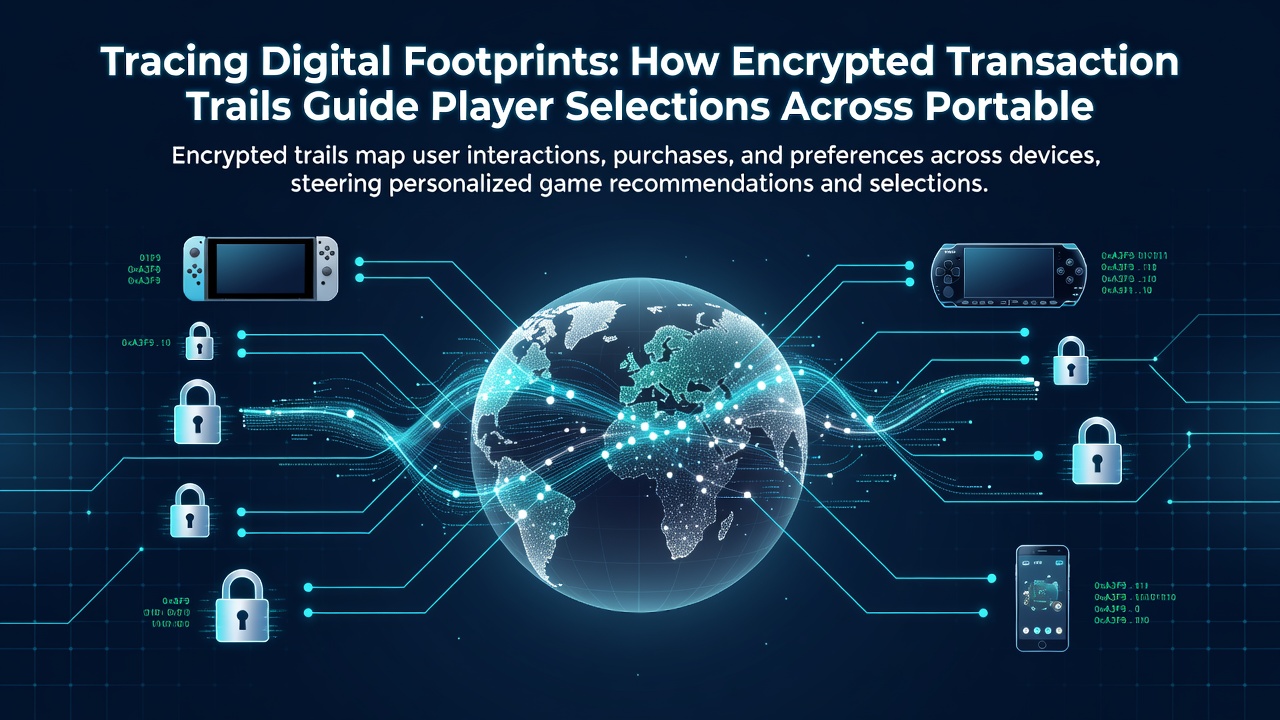
Digital transaction records in mobile blackjack and roulette applications create detailed trails that operators use to map player behavior across devices, and these encrypted logs connect betting amounts, timing patterns, and game selections into coherent sequences that inform platform adjustments. Portable table games rely on secure payment gateways and distributed ledger elements to protect each transfer while simultaneously generating data points that reveal preferences for specific bet types or session lengths, and researchers at institutions studying digital forensics note that such trails often incorporate device identifiers along with geolocation metadata to build comprehensive profiles without exposing raw financial details.
Encryption Methods in Mobile Table Game Transactions
Portable blackjack and roulette platforms employ layered encryption protocols that secure transaction data during transfer from user devices to central servers, and these systems typically combine AES-256 standards with blockchain-based verification steps that timestamp each action while maintaining anonymity layers for the underlying accounts. Operators integrate these technologies so that every chip purchase or withdrawal leaves an immutable yet protected entry in the ledger, which allows compliance teams to reconstruct sequences of play without decrypting personal identifiers during routine audits, and reports from the Malta Gaming Authority indicate that such frameworks have expanded across European mobile markets since early 2025 to meet updated data protection directives.
How Transaction Trails Influence Game Selection Patterns
Analysis of encrypted trails shows that repeated small-stake wagers on roulette variants often precede shifts toward blackjack side bets in subsequent sessions, and operators apply machine learning models to these sequences to adjust in-app prompts that surface particular table limits or wheel configurations based on prior encrypted activity. Device-level data merges with transaction histories to identify clusters of users who favor European roulette rules over American versions after certain deposit patterns emerge, while similar models detect when players migrate between portable blackjack tables following a series of rapid withdrawals that signal changing risk tolerance. Studies conducted by academic groups at the University of Nevada, Reno have documented these correlations in controlled datasets from 2024 through mid-2026, confirming that trail-derived insights help platforms prioritize content without direct user input.
Regulatory Oversight and Cross-Border Data Handling
June 2026 saw several North American jurisdictions update reporting requirements for mobile gaming operators, requiring encrypted transaction logs to include specific metadata fields that support audit trails across state lines, and the Nevada Gaming Control Board has issued guidance that aligns with these standards by mandating retention periods of at least five years for all portable table game records. Canadian provincial regulators in Ontario have adopted parallel rules that emphasize interoperability between encryption formats so that trails generated on one device can be verified when users cross into another licensed market, and these measures reduce discrepancies that previously arose when players switched between blackjack and roulette apps during travel. Industry associations such as the European Gaming and Betting Association track these developments and publish annual summaries that compare trail integrity metrics across regions without releasing individual operator data.
Technical Infrastructure Supporting Trail Analysis
Cloud-based analytics engines process encrypted transaction streams in real time, converting raw payment events into aggregated behavioral segments that guide dynamic table configurations on mobile interfaces, and these engines use homomorphic encryption techniques that permit calculations on ciphered data so that sensitive details remain protected during pattern recognition. Portable roulette wheels and blackjack dealing sequences adjust payout displays or minimum bet thresholds when trail analysis flags clusters of activity that match historical profiles, while session timers and auto-cashout features activate based on velocity metrics derived from the same logs. Observers note that integration with secure element chips in modern smartphones further strengthens these processes by anchoring device identity to each transaction entry, which minimizes spoofing risks that could distort selection guidance models.
Future Developments in Trail-Guided Mobile Gaming
Emerging standards for zero-knowledge proofs promise to let platforms verify transaction compliance while revealing even less raw data to third parties, and pilot programs underway in Australian licensed markets test these methods on portable blackjack and roulette applications to refine how trails inform personalized game libraries. Continued refinement of these systems depends on collaboration between technology providers and regulatory bodies that set minimum encryption strengths and audit frequencies, and the resulting frameworks ensure that player selections across devices remain traceable through protected channels without compromising operational security.
Conclusion
Encrypted transaction trails now form the backbone of decision-support systems that shape how portable blackjack and roulette experiences adapt to user activity, and the combination of regulatory mandates, technical encryption advances, and analytical tools continues to define the boundaries of this data ecosystem through 2026 and beyond.