Tracing Player Migration Patterns Between Slot Variants and Live Card Games on Regulated Digital Platforms
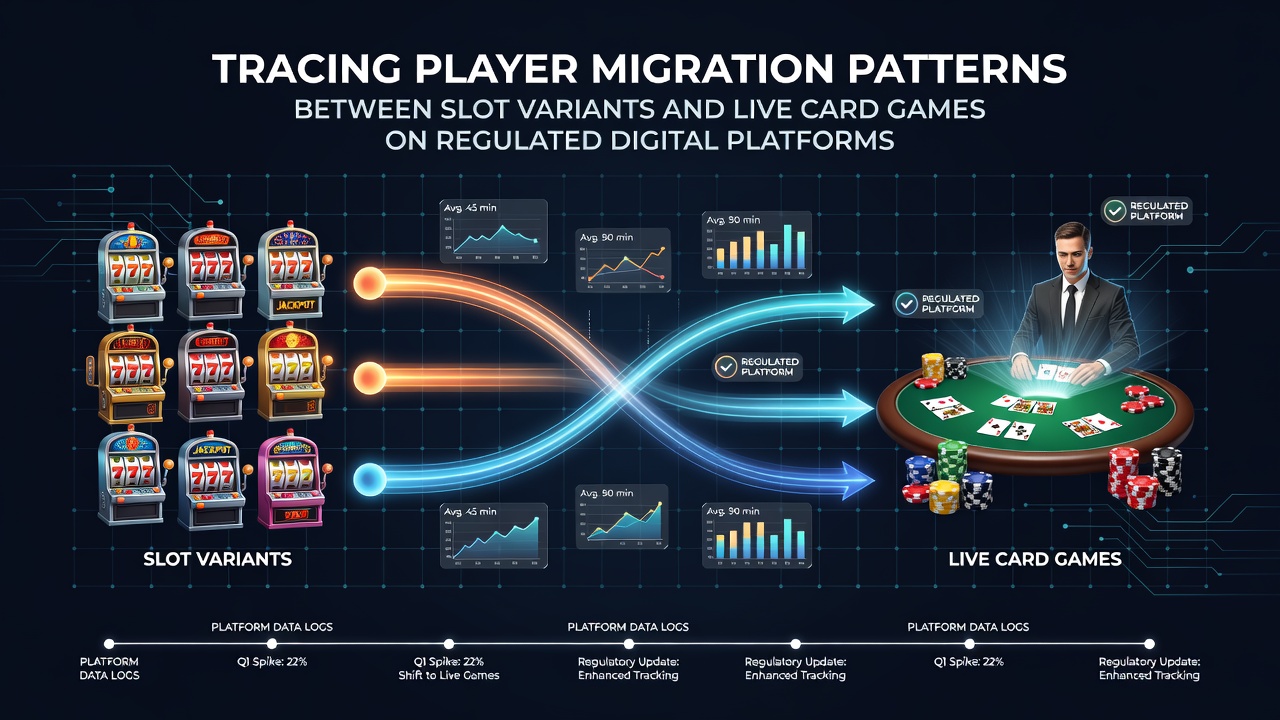
Player migration between slot variants and live card games continues to shape engagement on regulated digital platforms, where data tracking reveals consistent movement tied to session length, payout structures, and interface features. Observers note that individuals often begin sessions with high-volatility slots before shifting toward live dealer blackjack or roulette tables as play extends, a pattern documented across multiple jurisdictions since early 2025.
Platform Data on Cross-Format Movement
Regulated operators in the United States and Europe report that migration occurs most frequently during evening hours when live card game tables reach peak staffing levels, and analytics from these systems show players completing an average of 45 slot spins before initiating a live dealer session. Figures from state-level oversight bodies indicate that such transitions increased by 18 percent year-over-year through the first half of 2026, with June 2026 marking the highest recorded volume of cross-format activity on New Jersey-licensed platforms.
Researchers examining transaction logs find that deposit sizes remain stable during these shifts, while bet sizing adjusts downward when moving from slots to card games, suggesting players seek different risk profiles within the same account balance. This behavior appears across both mobile and desktop interfaces, although mobile sessions demonstrate slightly shorter intervals between format changes.
Regional Variations in Migration Trends
European markets regulated under frameworks similar to those in Malta and the Netherlands display comparable patterns, where live card game participation rises after initial slot engagement, particularly among users aged 25 to 40. Data compiled by academic research groups tracking European iGaming shows that players in these regions spend an average of 22 minutes on slot variants before entering live tables, a duration that shortens during promotional periods tied to specific card game variants.
In contrast, Australian state-regulated platforms report longer dwell times on slots before migration occurs, with live card games attracting users later in extended sessions. Government reports from the Australian Gambling Research Centre highlight that regulatory caps on session length influence these timelines, encouraging players to sample multiple formats within single logins.
Factors Driving Format Transitions
Interface design elements such as quick-switch buttons between slot lobbies and live dealer waiting areas contribute to smoother migrations, according to platform usage statistics. Volatility levels in slot variants also play a measurable role, with medium-volatility titles correlating to earlier transitions toward card games compared to high-volatility options that retain users longer.
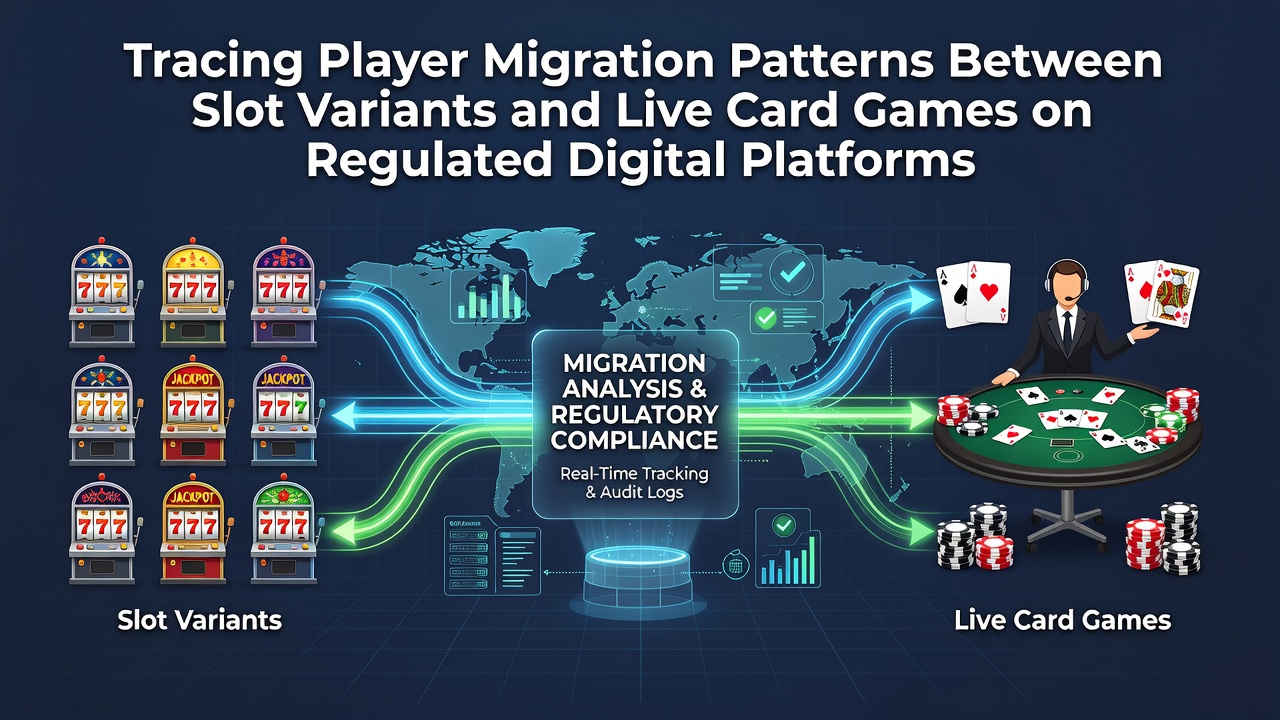
Live card game features including side bet availability and dealer interaction rates further influence retention after migration, as users who engage with these elements tend to remain in the card game section for subsequent visits. Studies from university-affiliated gaming research programs confirm that visual customization options on slots, such as theme selection, indirectly affect the timing of shifts by extending initial engagement periods.
Regulatory Oversight and Tracking Methods
Compliance requirements in multiple jurisdictions mandate detailed logging of player activity across game types, enabling precise measurement of migration without compromising user privacy standards. The Nevada Gaming Control Board, for instance, incorporates cross-format analytics into its monthly reporting protocols, providing aggregated insights that researchers use to identify seasonal fluctuations in movement between slots and live dealer offerings.
Similar standards in Canadian provincial systems allow for comparative analysis, where observers document that promotional incentives tied to live card games accelerate migration rates from slot-heavy accounts. These regulatory frameworks ensure that data remains verifiable while operators maintain separation between game categories for responsible gaming monitoring purposes.
Conclusion
Patterns of movement between slot variants and live card games on regulated digital platforms reflect measurable responses to session dynamics, regional rules, and platform features, with data from June 2026 underscoring continued growth in these transitions. Continued tracking by oversight bodies and research institutions supplies the factual basis for understanding how users navigate these environments across different markets.