Tracing Ripple Effects from Esports Partnerships on Traditional Digital Wagering User Bases
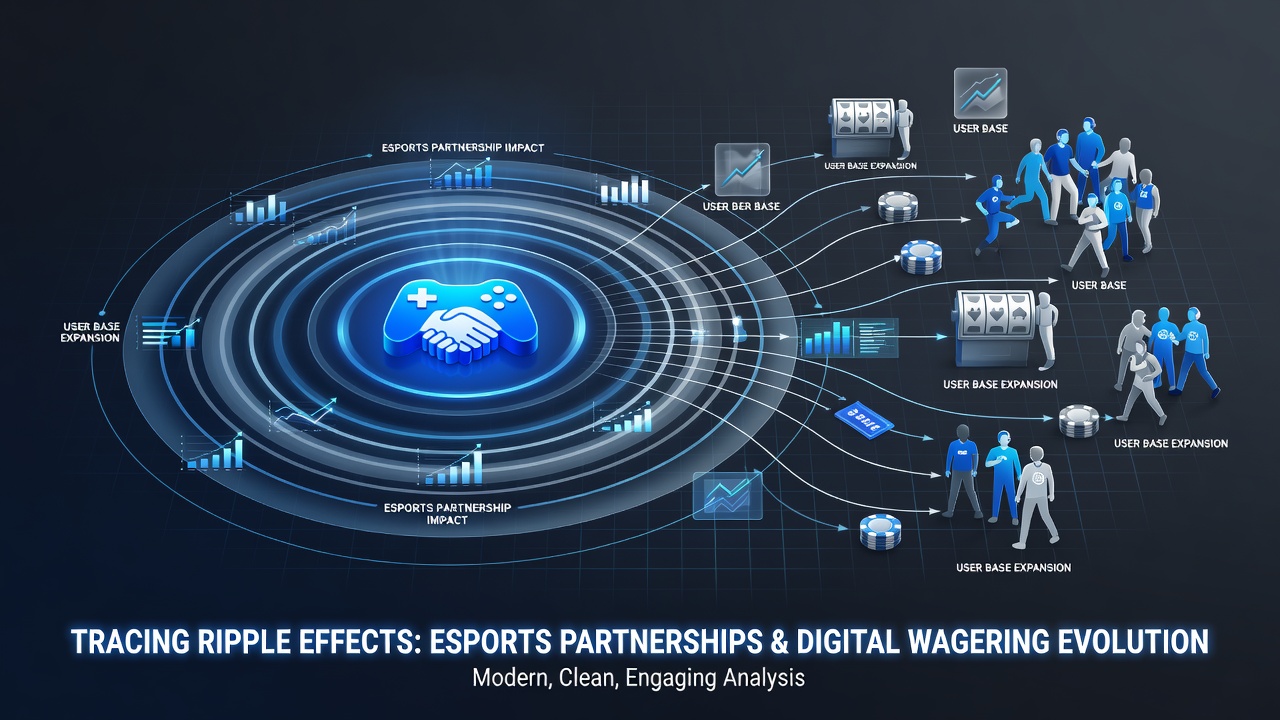
Esports partnerships with digital wagering platforms have created measurable shifts in how users engage with established betting categories such as sportsbooks and online casino games, and data from multiple jurisdictions shows patterns emerging since early 2025. Partnerships often involve co-branded promotions, shared user accounts, and integrated betting options that connect esports titles like League of Legends or Counter-Strike with conventional markets on football or blackjack, and these connections produce ripple effects that observers track through registration logs, session durations, and deposit behaviors across platforms.
Mapping Partnership Structures and Data Flows
Operators establish formal agreements with esports organizations to embed betting interfaces directly into tournament streams while simultaneously linking those interfaces to traditional wagering products, and this dual-access model allows users to move between categories without creating separate accounts. Research from academic institutions indicates that shared loyalty programs increase cross-category activity by directing bonus funds earned on esports wagers toward conventional table games or slot titles, and the result appears in aggregated transaction records that regulatory bodies review quarterly. In July 2026 several platforms reported elevated transfer rates where esports deposits funded subsequent bets on major league sports, and these movements align with interface designs that place navigation buttons for both categories on the same dashboard.
User Base Transitions Observed in Key Markets
Analysts at state-level gaming divisions have documented changes in user demographics where younger cohorts entering through esports partnerships gradually expand their activity into legacy digital wagering segments. Figures released by the New Jersey Division of Gaming Enforcement show that accounts opened via esports-linked campaigns in the first half of 2026 recorded higher volumes of roulette and blackjack sessions compared with accounts acquired through standard sports marketing channels, and this pattern holds after controlling for age and initial deposit size. Similar tracking in Australian markets reveals parallel trends where esports tournament viewers who activate wagering accounts later allocate portions of their activity to horse racing and poker variants, and these allocations register in weekly activity reports submitted to the Victorian Commission for Gambling and Liquor Regulation.

Session Length and Deposit Pattern Shifts
Platform telemetry collected across integrated systems demonstrates that users who begin with esports wagers often extend their overall session times when traditional options appear in the same application, and this extension correlates with increased average deposits per visit. Data sets compiled by industry research groups reveal that multi-category users maintain steadier engagement curves throughout the week compared with single-category users, and the steadiness registers most clearly during off-peak esports tournament periods when conventional sports or casino titles fill activity gaps. Those who studied account histories note that deposit frequency rises modestly after the first cross-category transfer occurs, and the increase appears independent of promotional incentives once users establish routines that span both esports and legacy markets.
Regulatory Tracking and Compliance Metrics
Jurisdictions require operators to segment user data by acquisition channel so that partnership effects remain visible to oversight agencies, and these segmented reports show that esports-sourced users comply with responsible gaming limits at rates comparable to those acquired through traditional channels. Compliance filings submitted in 2026 indicate no disproportionate spike in self-exclusion requests among users who engage both esports and conventional wagering products, and the filings also record stable patterns in age-verification success rates across the combined user base. Regulators in multiple regions continue to monitor whether integrated interfaces influence spending velocity, yet current data sets do not yet support conclusions about long-term expenditure changes beyond the initial twelve-month window following partnership launches.
Conclusion
Partnerships between esports entities and digital wagering operators continue to reshape access pathways and activity distributions within traditional user bases, and ongoing data collection from regulatory and academic sources will clarify the duration and scale of these shifts. Transaction logs and demographic reports already illustrate measurable movement between categories, while session metrics highlight extended engagement when multiple product types coexist on single platforms. Observers expect further clarity as additional quarterly filings accumulate through the remainder of 2026 and into subsequent years.