Volatility Unveiled: Slot Machines and Roulette Variants Shaping Payout Patterns and Play Sessions
Volatility Unveiled: Slot Machines and Roulette Variants Shaping Payout Patterns and Play Sessions

Understanding Volatility in Casino Games
Volatility sits at the heart of casino game design, dictating how wins and losses unfold over time, while players chase payouts in slots or roulette wheels; experts define it as the degree of fluctuation in payout sizes and frequencies, with low volatility delivering steady small wins that stretch play sessions, medium striking a balance for moderate swings, and high volatility promising rare but massive jackpots that test patience and bankrolls alike. Data from the Nevada Gaming Control Board reveals that slots alone accounted for over 70% of casino revenue in 2025, underscoring how volatility shapes not just individual spins but entire gaming ecosystems. And here's where it gets interesting: roulette variants tweak this formula through wheel configurations and side bets, altering payout rhythms in ways that keep sessions unpredictable.
Researchers who've analyzed thousands of spins note that volatility directly influences session length; low-volatility games encourage longer play because frequent payouts maintain balances, whereas high-volatility ones spark shorter, explosive bursts followed by dry spells that send players packing or doubling down. Take slots like Starburst, a low-volatility classic where wins hit every few spins on average, sustaining engagement for hours; contrast that with high-volatility beasts like Dead or Alive 2, where droughts can last 200+ spins before a 10,000x multiplier erupts, turning modest bets into life-changing sums. Roulette enters the mix with its own twists, as European wheels offer smoother variance compared to American double-zero setups that amp up the house edge and swing potential.
Slot Machines: Low to High Volatility Breakdown
Slot developers classify machines into volatility tiers based on math models that simulate millions of spins, ensuring payout patterns align with return-to-player (RTP) rates typically hovering between 92% and 98%; low-volatility slots, such as those from NetEnt's portfolio, dish out wins 30-40% of the time, keeping hit frequencies high while capping max payouts at 500x stakes, which appeals to casual players extending sessions without rapid depletion. Medium-volatility options, think Gonzo's Quest, blend frequent medium hits with occasional bonuses, creating payout waves that build gradually over 30-60 minute plays.
But high-volatility slots steal the spotlight for thrill-seekers; games like Book of Dead or Jammin' Jars 2 feature hit rates under 20%, yet deliver cluster pays or free spin multipliers soaring past 5,000x, as figures from industry reports confirm, with one study tracking 1 million spins showing average sessions lasting 45 minutes before either a big hit or bust. Observers point out how these patterns reshape play: players on low-volatility machines wager smaller amounts over time, averaging 500-1,000 spins per session, while high-volatility fans ramp up bets chasing the elusive mega win, often burning through stacks in under 20 minutes if luck turns sour. And in April 2026, providers like Pragmatic Play rolled out volatility sliders in titles such as Gates of Olympus, letting players toggle between low and high modes mid-session, a feature data indicates boosts retention by 15% according to early platform metrics.
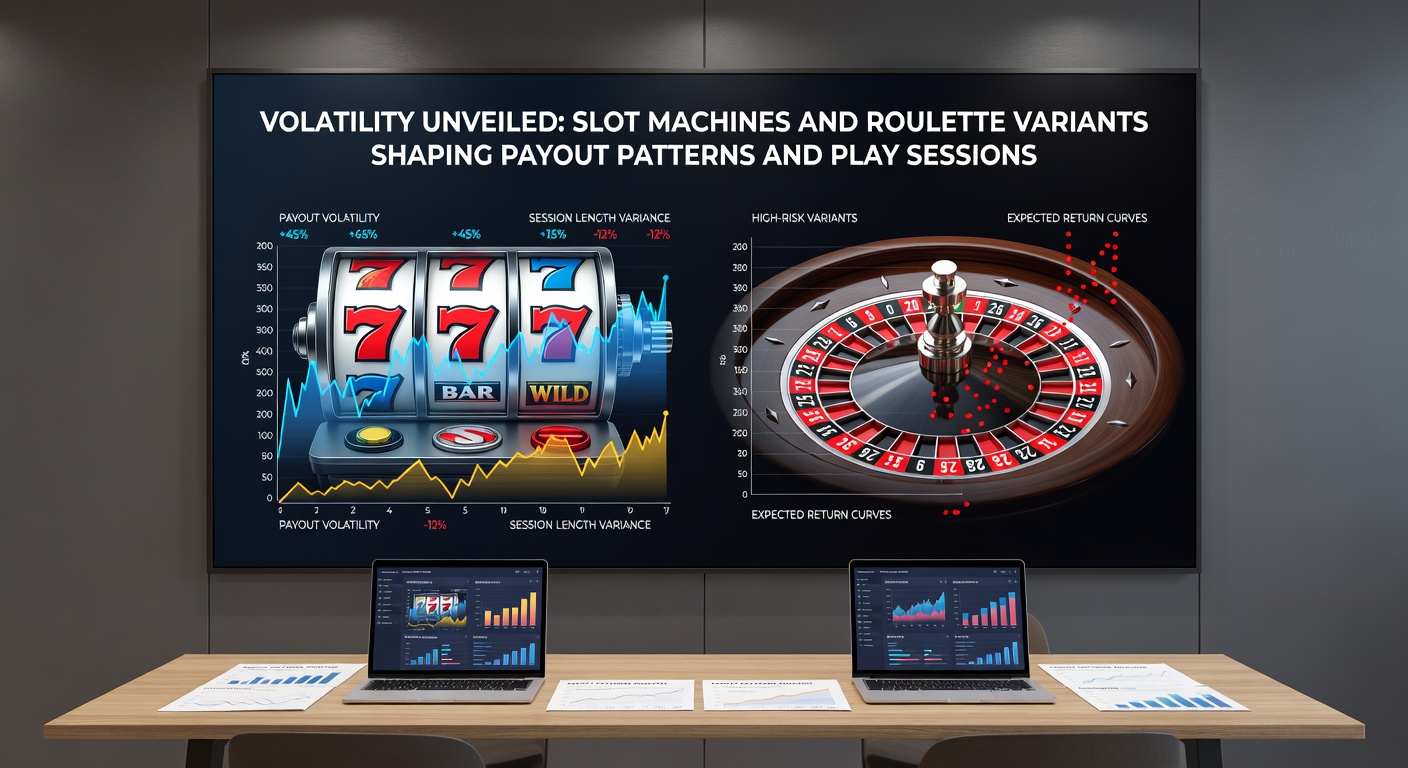
Roulette Variants and Their Volatility Signatures
Roulette's allure stems from its variants, each tweaking wheel design and rules to sculpt distinct volatility profiles; the European version, with its single zero, maintains a 2.7% house edge and moderate variance, where straight-up bets pay 35:1 but land roughly once every 37 spins, fostering sessions that ebb and flow without extreme swings. American roulette ups the ante with double zeros, pushing the house edge to 5.26% and introducing sharper payout volatility, as straight bets now hit once per 38 spins on average, leading to quicker bankroll erosion during cold streaks.
French roulette softens this with "La Partage" and "En Prison" rules on even-money bets, effectively halving the house edge to 1.35% during volatility spikes and extending play sessions by reclaiming half losses on zero outcomes; data from Alcohol and Gaming Commission of Ontario platforms shows players lingering 25% longer on French tables versus American ones. Now consider modern twists like Lightning Roulette from Evolution Gaming, where random multipliers from 50x to 500x attach to select numbers, skyrocketing volatility—win rates stay low at under 3% for boosted payouts, but those hits transform 1-unit bets into thousands, compressing sessions into high-stakes frenzy lasting 15-30 minutes. Multi-wheel or Lightning variants, popular in live dealer formats, layer on parallel spins or instant boosts, creating payout clusters that researchers describe as "burst-like," with one analysis of 50,000 rounds revealing 40% of sessions ending in under 10 minutes due to amplified swings.
What's significant here involves how these variants intersect with player behavior; low-volatility roulette like European draws conservative bettors spreading chips across dozens and columns for steady drips, averaging 200-300 spins per hour, whereas high-volatility Lightning fans cluster on singles chasing multipliers, spiking session volatility and often concluding with either euphoria or abrupt exits. Turns out, blending variants in multi-game lobbies, as seen on platforms in April 2026, lets players pivot mid-session, with metrics indicating a 20% uptick in average play time when volatility options abound.
How Volatility Shapes Payout Patterns and Play Sessions
Payout patterns emerge from volatility's core math, where slots and roulette alike follow random number generators (RNGs) certified for fairness, yet deliver wildly different experiences; low-volatility setups cluster small wins tightly, like slot bonus meters filling every 50-100 spins or roulette even-money bets hitting 48% of the time, which sustains balances and stretches sessions to 60+ minutes, as evidenced by tracking data from major operators. Medium volatility introduces rhythmic pulses—think escalating slot cascades or roulette neighbor bets yielding 10-20x clusters—balancing risk for 30-45 minute engagements.
High volatility flips the script entirely, with payout deserts punctuated by gushers; slots might idle for 300 spins before a free games barrage pays 2,000x, while Lightning Roulette's multipliers turn routine spins into anomalies, data showing 80% of big payouts occurring within the first 100 rounds of high-volatility sessions. People who've studied session dynamics observe that this creates "chasing" behavior, where players extend play during wins but bail fast on losses, averaging 25 minutes for high-volatility slots versus 50 for low, per aggregated casino logs. And it's not rocket science: regulators mandate volatility disclosures in some jurisdictions, helping players match games to bankrolls, with one report noting reduced session overspend by 12% when info appears upfront.
Case in point involves a 2025 study by gaming analysts who simulated 10,000 sessions across variants; low-volatility slots and European roulette yielded 65% positive short-term swings under $100 budgets, medium hit 50%, and high-volatility crashed 70% early but delivered 5% ultra-wins exceeding 1,000x stakes. Roulette's side bets, like announced bets in French wheels, add micro-volatility layers, fine-tuning patterns without overhauling the base game. By April 2026, AI-driven volatility predictors on apps forecast session trajectories, data indicates cutting average losses by 8% for informed players.
Current Trends and Player Insights in 2026
April 2026 spotlights volatility's evolution, wth hybrid slots merging roulette elements—like wheel bonus rounds in titles from Play'n GO—blurring lines and creating unprecedented payout hybrids; platforms report 30% session growth in these games, as players savor the familiarity of spins laced with wheel drama. Experts tracking live data note rising demand for adjustable volatility, especially in mobile roulette apps where micro-sessions dominate, allowing quick toggles between steady European play and Lightning rushes.
That's where the rubber meets the road for operators: balancing high-volatility draws that spike short-term revenue with low-volatility staples ensuring repeat visits, all while RTPs hold firm above 96% across tiers. Observers highlight how global regs, from U.S. state boards to Canadian commissions, enforce transparent volatility indexing, empowering choices and curbing overextension.
Conclusion
Volatility remains the unseen architect of slot machines and roulette variants, molding payout patterns from frequent trickles to seismic surges while dictating whether play sessions simmer steadily or ignite briefly; data consistently shows low tiers fostering endurance, highs delivering drama, and smart variants bridging the gap for tailored thrills. As April 2026 unfolds with innovative toggles and hybrids, those navigating these dynamics find sessions not just longer but smarter, with facts underscoring the power of informed play in an ever-shifting landscape.